You might think it's a cousin of lettuce, but arugula(Eruca sativa) is a member of the cabbage family. Native to the Mediterranean basin and a staple of Italian cuisine, this tangy salad is easy to grow.
Find out everything you need to know to sow, grow and enjoy arugula!
👉 To start a vegetable garden on your balcony, discover our vegetable composter.
Contents
Growing arugula
Arugula is a fast-growing annual. Ideal for beginners, it's easy to grow. It doesn't take up much space, making it ideal for balcony gardens and small backyards.
Sowing, planting, harvesting
Native to southern Europe, arugula is easy to grow in pots or in the ground!
- Sow directly in the ground from March to September
- Plant from March to September
- Harvest from May to November
You can harvest arugula regularly as it grows by cutting it off at the base. Prefer young leaves, which will be sweeter!
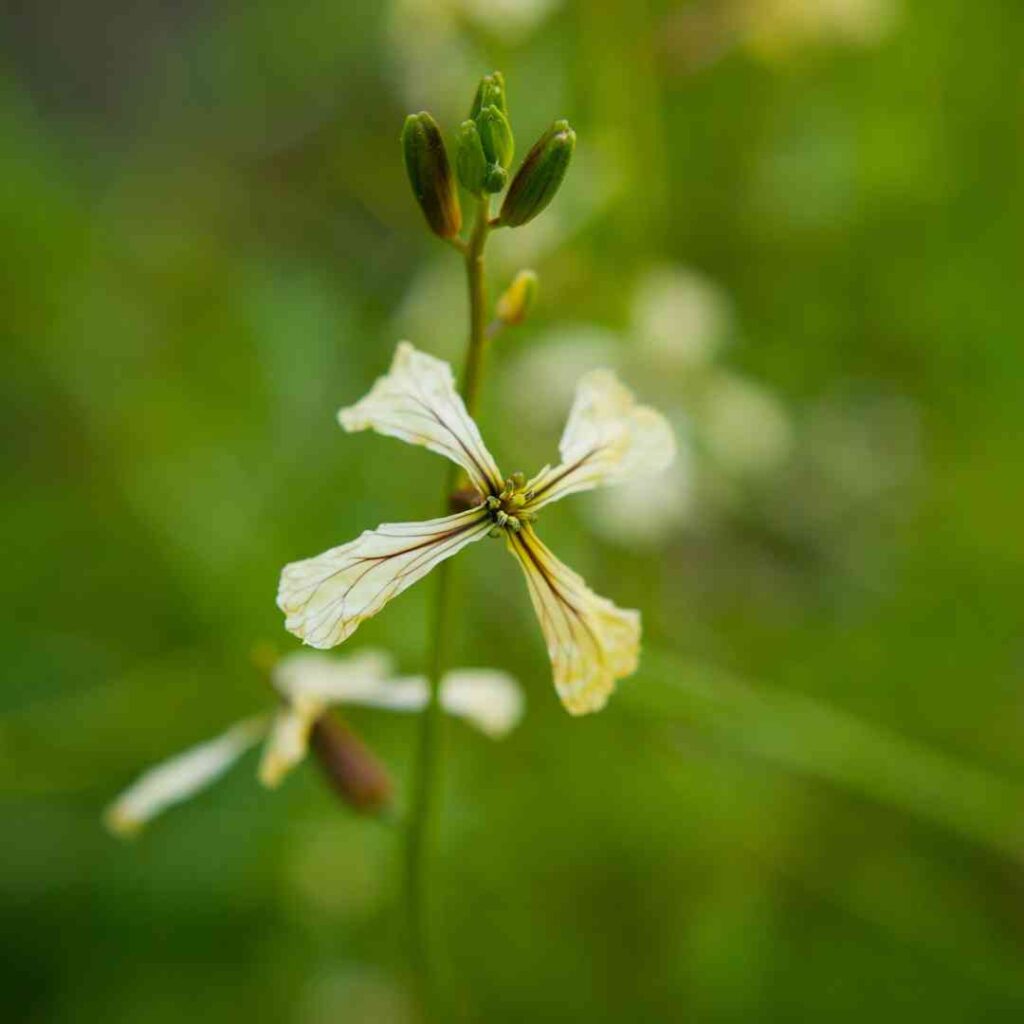
When it goes to seed, its flowers attract pollinating insects.
How do you water it?
Water very regularly to keep the soil moist. Frequent watering reduces the pungency of the leaves!
Display: how to place it in the garden?
Arugula prefers the sun, but a little shade doesn't hurt.
Cultivated versus wild rocket: what are the differences?
A distinction is made between wild and cultivated arugula.
Wild arugula is a perennial plant with a stronger, peppery flavor. It is better suited to use as a spice than as a salad. Unlike cultivated arugula, it has smaller leaves and grows more slowly.
A self-fertilizing vegetable garden for growing and composting in a small space
Easy & Odorless
Handcrafted in Portugal
Design
Compact
Modular
2x more harvests than in pots
Cooking arugula
Arugula leaves and seeds are edible.
The pungent leaves can be eaten raw or cooked. Enjoy in raw vegetables, soups, pestos... Perfect for salads, sandwiches or pizzas, for example!

Its benefits
Arugula is prized for its nutritional qualities. This plant is rich in minerals such as calcium and iron, vitamins A, C and K, and antioxidants.
It offers many benefits:
- Diuretic: Promotes healthy kidney function.
- Digestive: Stimulates digestion and regulates intestinal transit, helping to reduce bloating.
- Hair health: Thanks to the biotin it contains, it promotes hair growth and strengthens hair.
Arugula pesto recipe
Ingredients:
- 100 g arugula
- 50 g grated Parmesan cheese
- 40 g almonds, pine nuts, cashews or hazelnuts, as preferred
- 1 garlic clove
- 10 cl olive oil
- Half a lemon
- Salt and pepper
⏱️ Preparation time: 5 minutes.
Recipe:
Rinse the arugula leaves and drain well.
In a blender, add the arugula, almonds, garlic, Parmesan and lemon juice. Blend!
Blend progressively, adding olive oil little by little, until smooth.
Season, and your pesto is ready to enjoy! A delicious accompaniment to pasta, toast or bruschetta, salads or grilled vegetables. This pesto has a stronger taste than traditional basil pesto.
You can use it immediately, or store it in an airtight jar in the fridge for 3 to 4 days.

Did you know?
In ancient Rome, arugula was renowned for its medicinal and aphrodisiac properties. It was associated with Priape, god of fertility. The Romans extracted the essential oil from its seeds to make massage oil!
In the Middle Ages, it was appreciated for its taste and benefits, but was banned from convents and abbeys as diabolical.