Compost worms (500g)
29.00€
Looking for compost worms for your vermicomposter?
We raise our own compost worms on our vermiculture farm in Écully, near Lyon.
One bag contains adult and young earthworms and eggs, as well as all the soil microfauna needed to start up a vermicomposter.
Receive your worms at home, packed in an organic cotton bag to keep them cool during transport.
After receiving the package, simply pour them into your vermicomposter and nature takes care of the rest 🪱
Description
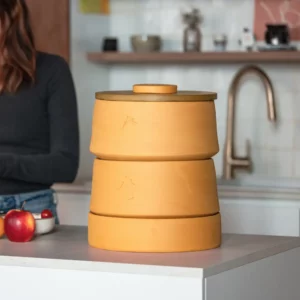
Compact Home Vermicomposter - 18L
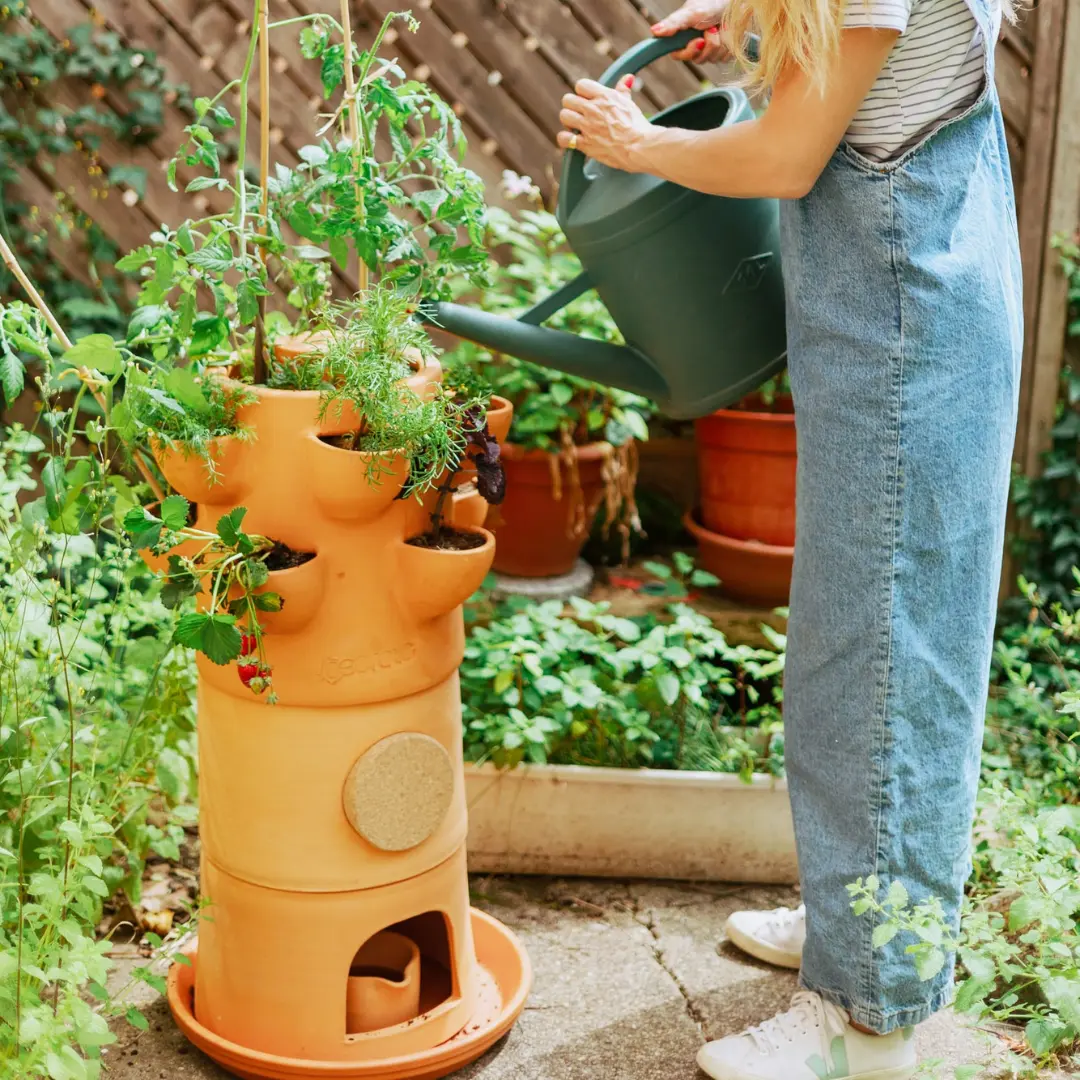
Plantable composter x3

Our design worm composters
Compost in apartments or outdoors on a diameter of just 35 cm.
All our composters are modular, so start small and think big!

Composter
to plant
4 Litres of compost
35 cm high
1 to 2 people
To be planted in a large pot
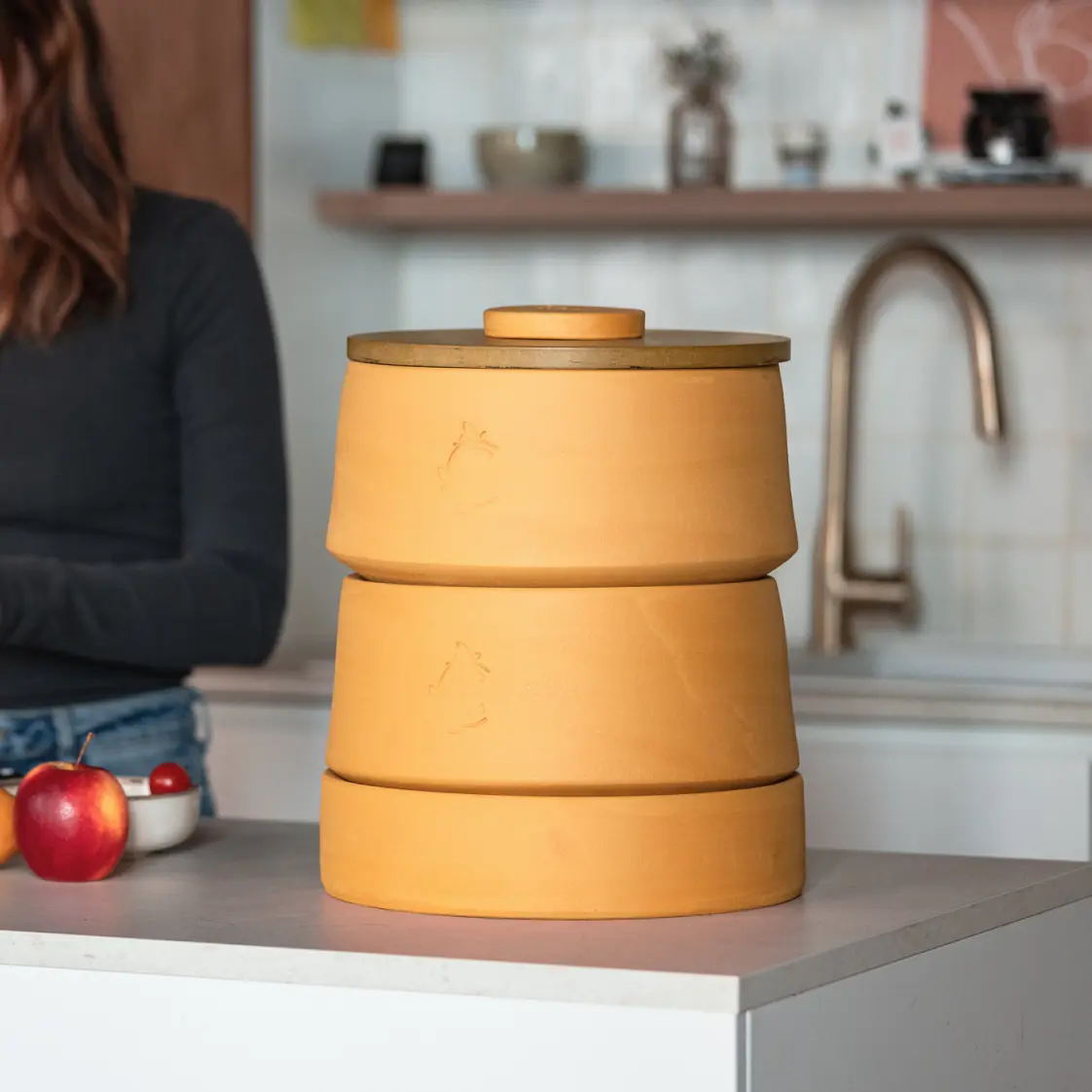
Compact worm composter
18 liters of compost
, 35 cm high
4 to 6 people
Perfect in the kitchen
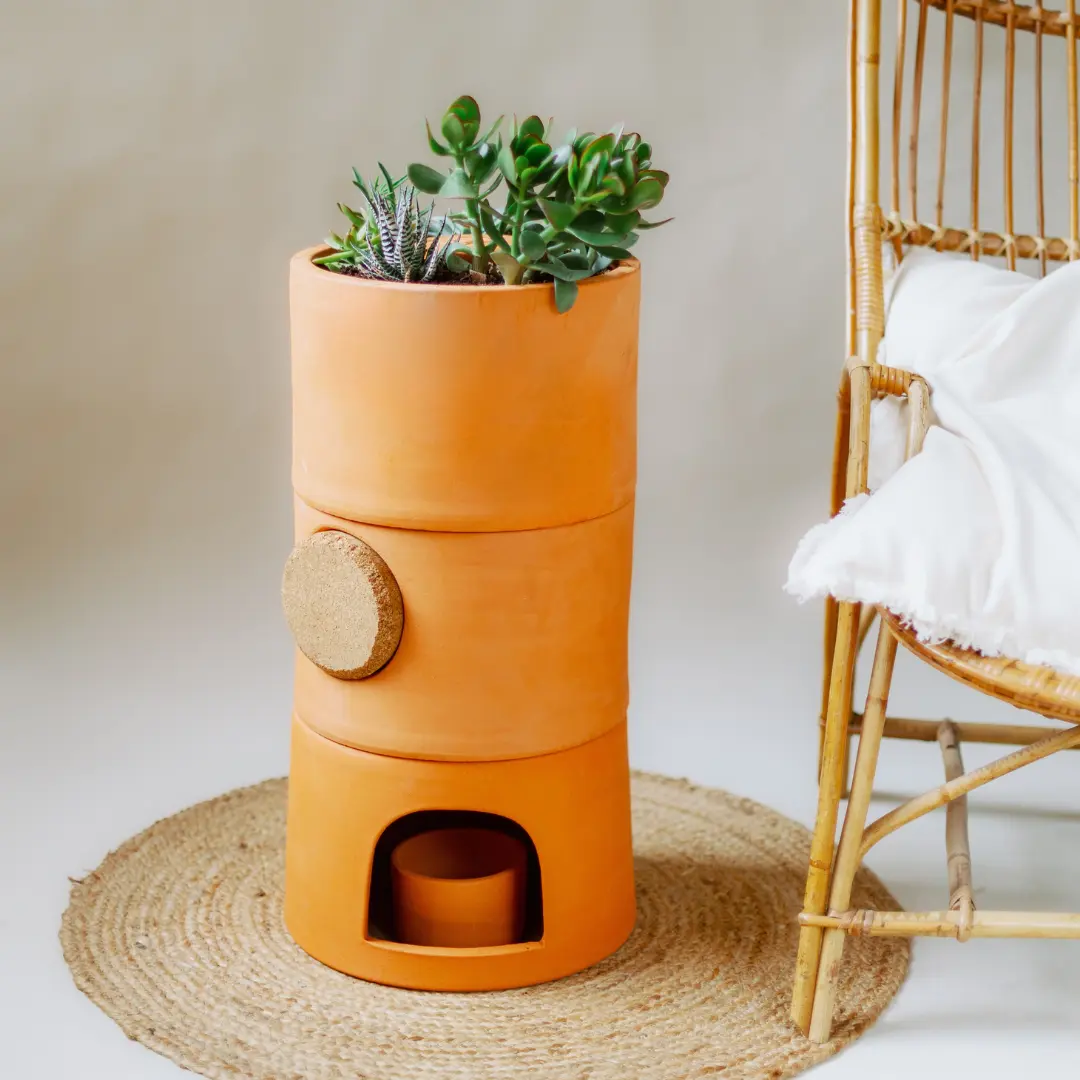
-composting flower pot
15 Litres of compost
60 cm high
2 to 3 people
Ideal for adding greenery to your living room
7,000 customers in 5 years!
⭐️⭐️⭐️⭐️⭐️ 4.8/5

I think my plants are loving the compost more and more 💚
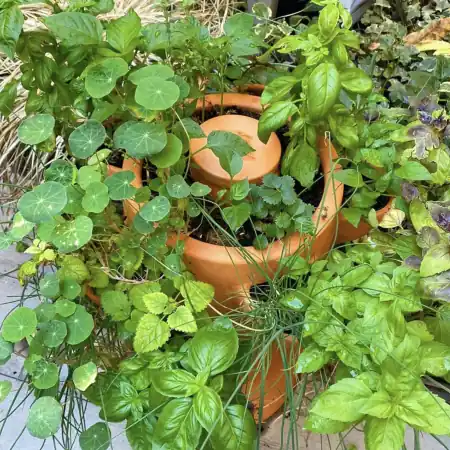
A brief stop in Lyon. Our neighbors clearly took good care of our Ceercle .

We're delighted with our vermicompost, which is now 2 months old and growing well!

Really easy to use. Everything has been thought out for novice gardeners!
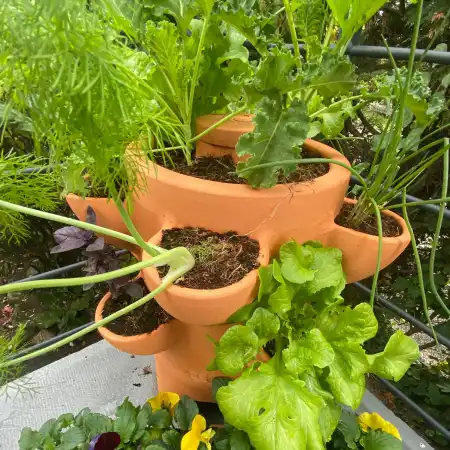
The vegetable garden is magnificent
and the children spend 30 minutes tending it every day!
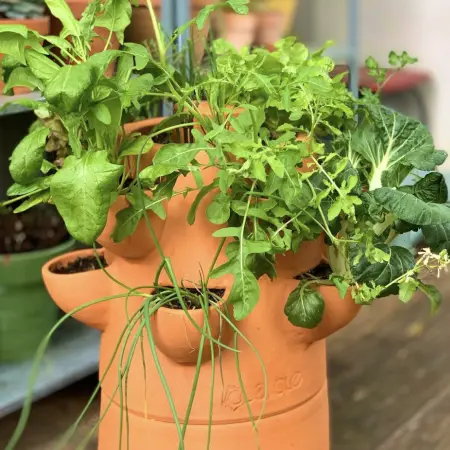
My composting vegetable gardenceercle.eu has literally exploded in recent weeks, I had to immortalize it, I think it's a real work of art 😍🌱.
All about compost worms
Compost worms are different from earthworms! Our worms (California red worms, manure worms) are suitable for use in vermicompost, where their job is to transform your organic waste into fresh, ready-to-use compost. Earthworms burrow deep into the soil.
Obtain your compost worms from specialized worm farms (such as Ceercle ) or from individuals who already have a worm composter. It is advisable to avoid retailers such as fishing stores and those offering mixtures of different species of worms.
If you are lucky enough to have a Ceercle composter, it's easy!
Simply place a small bed of cut-up cardboard (e.g., an egg carton or toilet paper roll) at the bottom of the compost column (the column with a hole in the center of your Ceercle).
This dry material will help regulate the humidity in your composter and create a space where your worms can take refuge. (Worms are sensitive to light, so always leave them a dark place to wait before transferring them to your vermicomposter.
We then recommend adding organic material gradually to allow your worms to settle in quietly.
You can start with a handful of peelings on the first day, then two handfuls a few days later.
Observe the decomposition of the waste. If your worms have started to eat it, you can add more peelings.
If they are slow to get to work, do not overload your bin with organic waste. Give them time to acclimatize!
Gradually, the worm population will grow and be able to transform more and more bio-waste.
Be patient! A vermicomposter can take several months to get going properly. For more information, visit our guide to getting started with vermicomposting.
These epigeic worms don't dig, but feed on the organic matter on the surface. By feeding in this way, they efficiently break down any waste that is added to the compost.
Feed your worms with organic matter (50% peelings, green waste, etc.) and dry matter (50% cardboard cuttings)
Absolutely avoid: garlic, onions, meat, fish, citrus fruits, fats, plastics and animal waste, which worms hate.
Spoil your worms with coffee grounds, tea, crushed eggshells and cardboard, to vary their diet and balance your compost!
Not your first time? Have you ever had problems with your compost worms? We've put together a comprehensive article on mistakes to avoid to keep your worms and compost balanced.
Dimensions and Fabrication
Further information
| Weight | 1 kg |
|---|---|
| Dimensions | 14 × 22 × 5 cm |