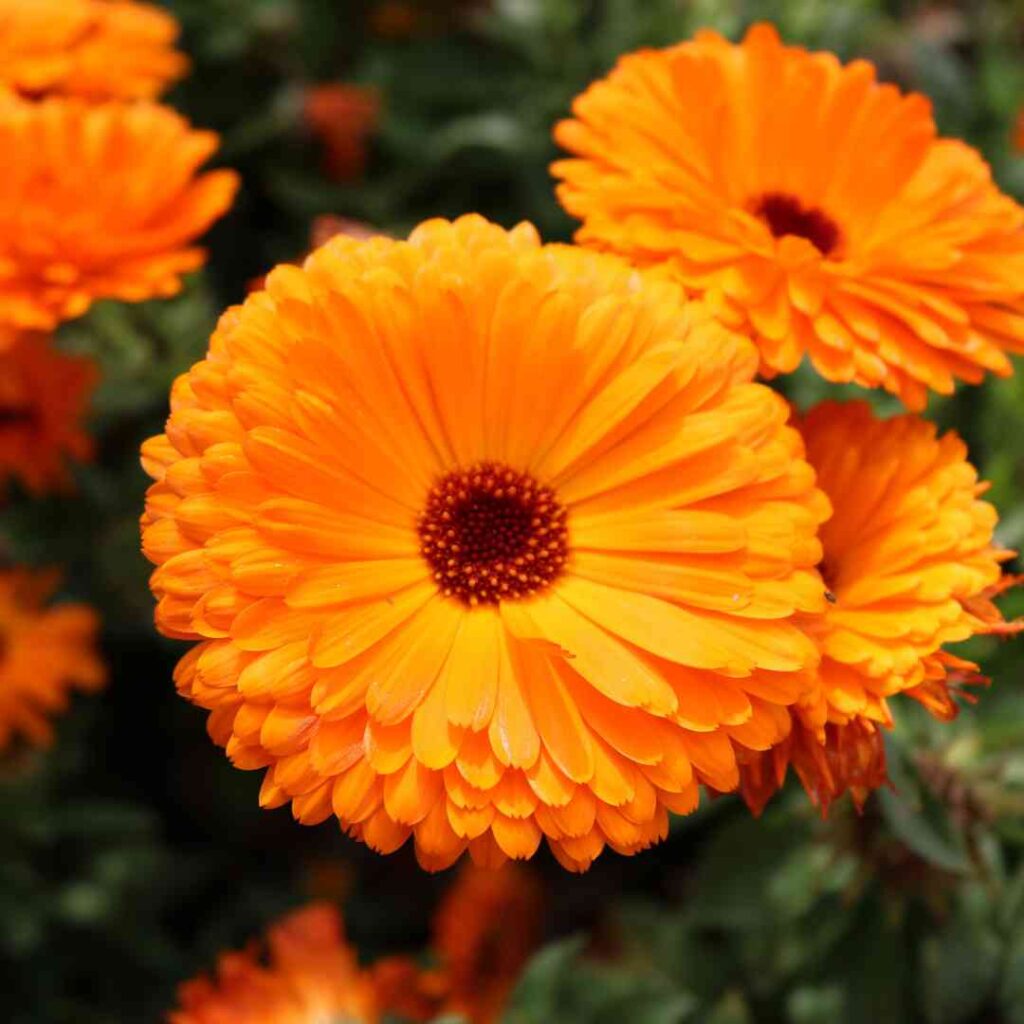
Calendula (or calendula officinalis) is an edible and medicinal plant. It requires very little maintenance and flowers abundantly from spring to autumn. The ideal flowering plant for your balcony or garden!
Find out everything you need to know to sow, grow and enjoy calendula!
👉 To start a vegetable garden on your balcony, discover our vegetable composter.
Contents
Cultivating concern
Marigolds are renowned for their many blooms! Easy to grow, it adapts to all types of soil.
Sowing, planting, harvesting
Sowing: Sow seeds in spring (April-May) or in autumn in mild regions.
Planting: Plant from April to May, just after the last frosts.
Flowering: May to October, sometimes until the first frosts.
Harvesting: Pick the flowers as soon as they bloom, preferably in the morning on a dry day, to preserve their active ingredients. To harvest the seeds, wait until the flowers are completely dry.
How do you water it?
Marigolds require very little attention, simply watering them in the event of hot weather or prolonged drought, especially when grown in pots.
Ceercle tip Ceercle avoid wetting the foliage to prevent fungal diseases.
Display: how to place it in the garden?
Choose full sun for abundant flowering. It also tolerates shade, but will flower much less. Incorporate it into your vegetable garden to repel insect pests.
A self-fertilizing vegetable garden for growing and composting in a small space
Easy & Odorless
Handcrafted in Portugal
Design
Compact
Modular
2x more harvests than in pots
Cooking marigolds
An edible plant
Marigold petals, flower buds and young leaves are edible!
Its flowers, with a slightly saffron and peppery taste, are eaten fresh or dried. They add fragrance and color to dishes.
Its young leaves can be eaten raw (in salads, for example) or cooked.
Flower buds can be candied in vinegar like capers.
The benefits of calendula
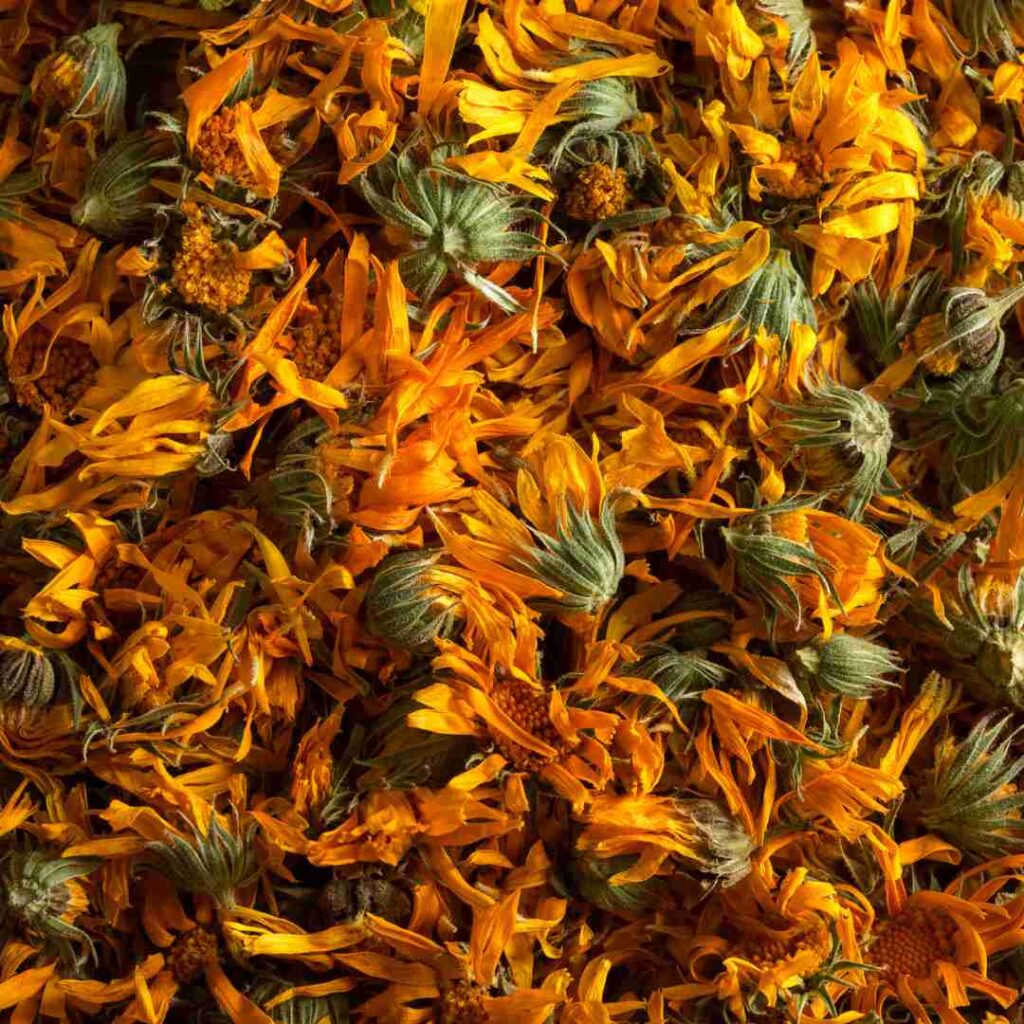
Marigold has been used since ancient times for its medicinal properties:
- Anti-inflammatory: soothes skin irritations, burns and sunburn.
- Healing: promotes healing of wounds, abrasions and cracks.
- Antiseptic and antifungal: fights infections and fungal infections.
- Soothing: soothes sensitive skin or skin prone to eczema and psoriasis.
- Digestive and hepatic: infused, it helps digestion and menstrual comfort.
Marigold can be used as an infusion, oily macerate, ointment, mother tincture or poultice.
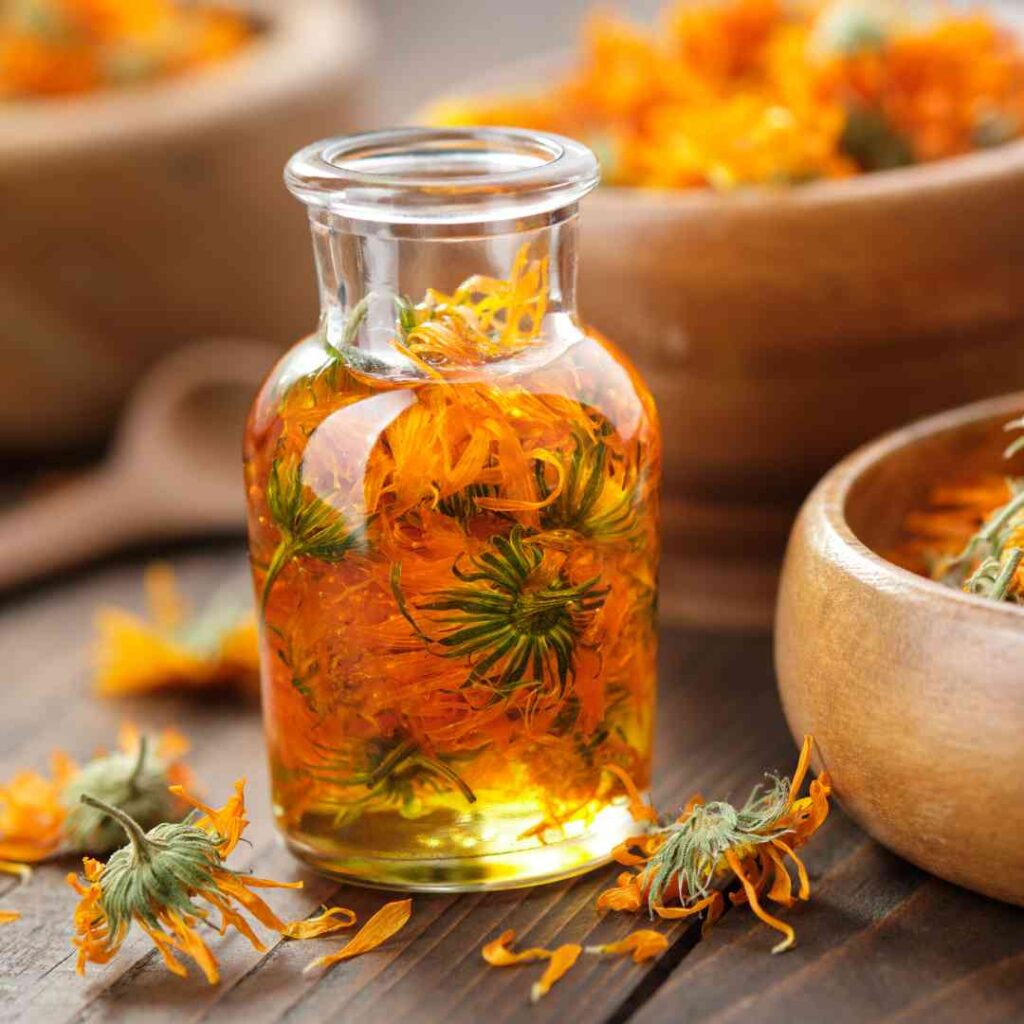
Our recipe: marigold oily macerate
Marigold oily macerate is ideal for soothing, repairing and moisturizing the skin.
Ingredients:
- Fresh or dried marigold flowers (about 1/2 jar)🌸
- Vegetable oil (olive, sunflower, sweet almond...)
- A clean, dry glass jar 🫙
Recipe:
1️⃣ Harvesting and drying
Pick marigold flowers in dry weather. Spread them out on a clean cloth and leave to dry for a few days in a dry, airy place.
2️⃣ Preparing the macerate
Fill half the jar with the dried flowers. Cover them all with vegetable oil. Close the jar and shake gently.
3️⃣ Macerate
Place the jar in a warm, bright place away from direct sunlight. Leave to macerate for 4 to 6 weeks, stirring every 2-3 days.
4️⃣ Filter and store
Filter the oil using a fine sieve. Transfer to a dark glass bottle for better preservation.
⏳ Shelf life: 6 months to 1 year in a dark place.
Did you know?
Possessing a slight saffron flavor, marigold is nicknamed "poor man's saffron". Its petals were used in popular cooking to perfume and color dishes, in place of real saffron, a very expensive spice. The petals provide a yellow or orange hue.