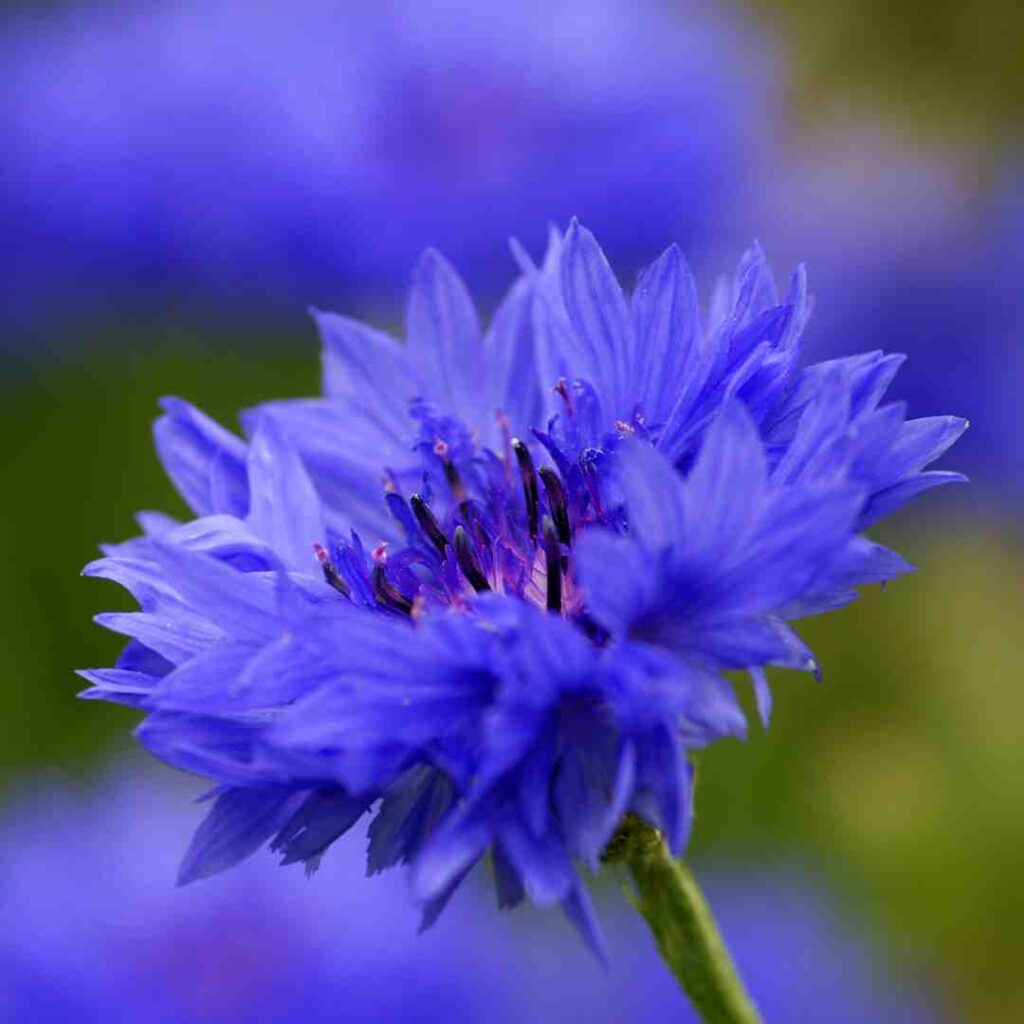
The cornflower (or Centaurea cyanus) is an emblematic flower of fields and gardens, recognizable by its brilliant blue color.
Find out everything you need to know about planting, growing and using blueberries!
👉 To brighten up your balcony, discover our composting flowerpot !
Contents
Growing blueberries
Blueberries are very easy to grow. It requires very little maintenance, and adapts to many environments, even mineral-poor soils.
It is appreciated for its generous flowering. Its flowers are usually blue. However, they can be pink, white or red, depending on the variety.
Sowing, planting, harvesting
Sowing: Sow seeds in spring, from March to May, or in autumn in regions with mild winters.
Planting: Plant from March to May, after the last frosts.
Flowering: May to September.
Harvesting: Pick the flowers as soon as they appear. To harvest the seeds, wait until the flower heads are completely dry.
How do you water it?
Blueberries require very little water. Moderate watering is all that's needed, but only during dry spells. As for the foliage, it's advisable to avoid getting it too wet to avoid the risk of disease.
Display: how to place it in the garden?
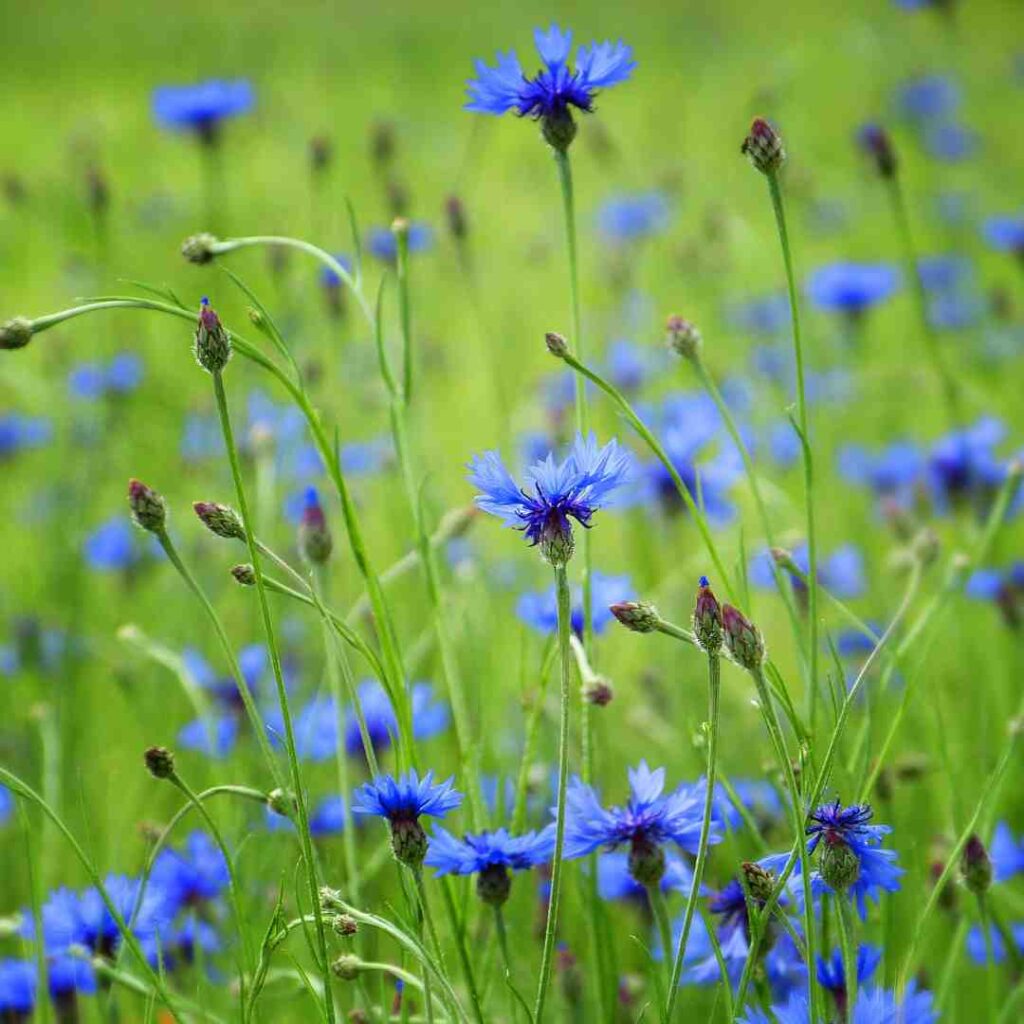
Cornflowers are at home in flowerbeds, borders or fields. With good exposure to the sun, it blooms abundantly.
A self-fertilizing vegetable garden for growing and composting in a small space
Easy & Odorless
Handcrafted in Portugal
Design
Compact
Modular
2x more harvests than in pots
Cooking blueberries
An edible plant
Blueberry flowers are edible, fresh or dried.
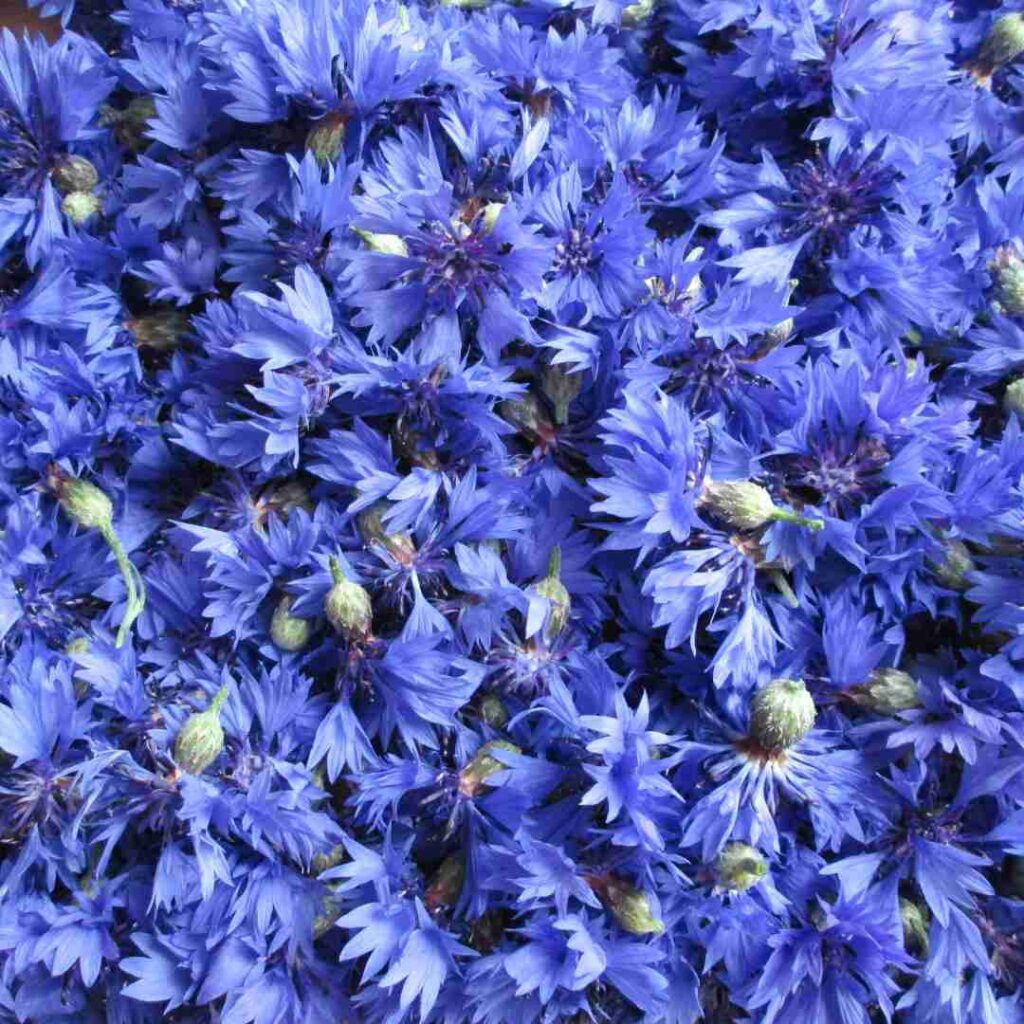
Its petals add a colorful touch to your dishes or desserts! Dry the flowers to make delicious herbal teas.
They have a sweet, honeyed, slightly spicy flavor.
A medicinal plant
Cornflowers have been used since the Middle Ages for their medicinal properties, particularly for eye and skin care:
- Anti-inflammatory: soothes eye irritation, conjunctivitis and swollen eyelids.
- Soothing : Relieves sensitive skin, redness and minor skin inflammations and tones the skin.
- Decongestant: Reduces puffiness and dark circles under the eyes with a lotion or compress.
- Digestive: Aids light digestion in infusion.
Cornflower can be used as an infusion, floral water, lotion, macerate or poultice.
Our recipe: cornflower floral water
Cornflower floral water is ideal for soothing, refreshing and brightening the complexion. It also relieves puffy eyes and dark circles.
Ingredients:
- Fresh or dried cornflowers (about 1 handful)
- Mineral water (250 ml)
- A clean glass jar
Recipe:
1️⃣ Prepare the flowers: Pick the cornflowers, don't forget to rinse them. Remove the green parts. You can also use dried flowers. Place them in your jar.
2️⃣ Infuse: Bring the water to the boil, then pour it over the flowers in the jar. Cover and leave to infuse for 10-15 minutes.
3️⃣ Straining and storing: Strain the floral water through a sieve or cheesecloth. Transfer to a clean bottle and store in the fridge.
⏳ Shelf life: 1 week.
Ceercle tip Ceercle you can combine cornflower water with chamomile water to cleanse and soothe the eyes, but also to combat fine lines.
Did you know?
In the past, cornflowers were called "wheat flowers" because they grew spontaneously in cereal fields.
The cornflower is a symbol of remembrance and solidarity with veterans. It recalls the horizon-blue uniform worn by young recruits, the " Bleuets ", as they joined their elders, the " Poilus ", on the battlefields. It was also the flower that grew in the mud of the trenches, the only colorful note in a devastated landscape.