The arrival of cold weather often means a break for gardeners, but it is still possible to plant in winter!
No, the soil does not freeze solid; it can still accommodate beautiful little plants, especially if you want a good harvest in the spring.
So, what should you plant in winter? Here are our tips for successful winter planting.
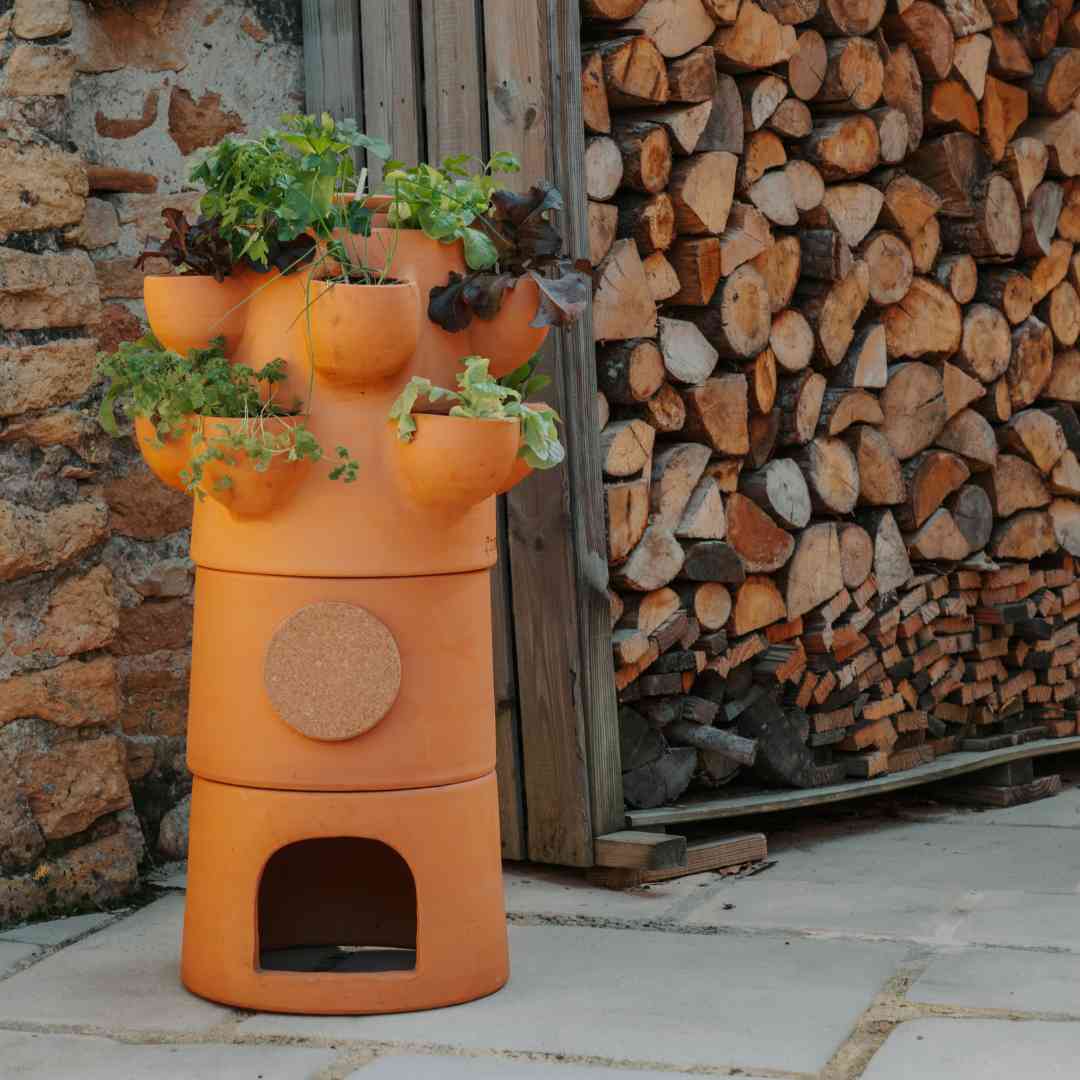
👉 To add some greenery to your balcony, discover our composting vegetable garden.
A self-fertilizing vegetable garden for growing and composting in a small space
Easy & Odorless
Handcrafted in Portugal
Design
Compact
Modular
2x more harvests than in pots
Contents
Why planting in winter is controversial: common misconceptions 💡
It's cold, and even though you may feel less inclined to garden and are unsure about your plants' resistance to the cold.
Here are the main misconceptions about winter plants.
Is the soil too cold and could it freeze any growth? ❄️
Depending on your region, and even your climate, the soil remains loose beneath a cold surface. In addition, plants that are sown in winter are more hardy and therefore more resistant.
True or false: even if growth is slowed down, certain seeds (beans, peas) or bulbs (garlic, onions) need this period to develop in the best conditions in spring.
Generous mulching is often sufficient to protect the topsoil.
Not enough light for winter vegetables? ☀️
It's true that in winter, we too would like a little more light, especially at the beginning of the year. That said, vegetables to plant in winter are not in the spotlight like summer vegetables.
Fact or fiction: The purpose of winter planting is not immediate growth, but rooting and dormancy. As soon as the days become warmer and longer, the plants grow rapidly.
A race with spring plants, which they win hands down
Did you know? When a plant's dormancy is triggered by external factors, it is referred to as dormancy.
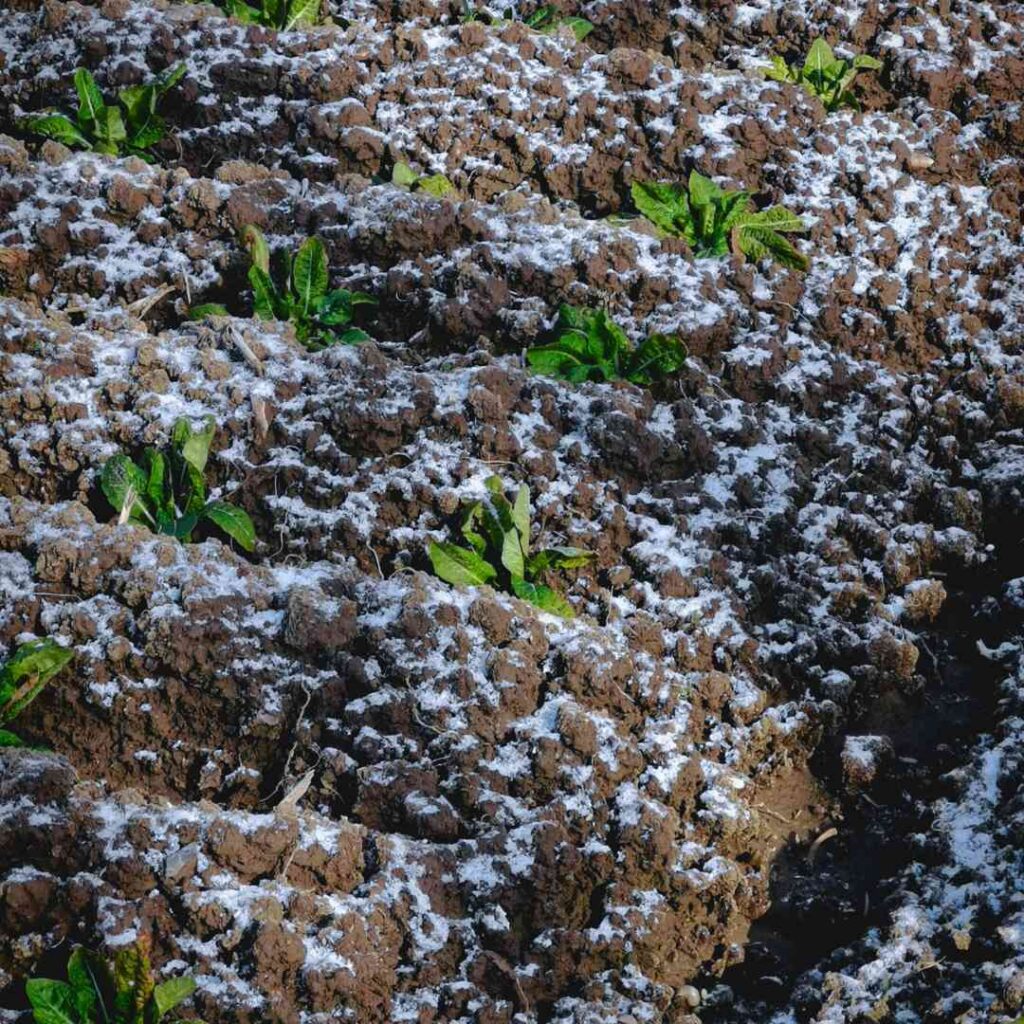
Risk of rot due to excessive humidity? 🌬️
Excess water and cold weather are a deadly combination for young plants. That's why you need to adapt your practices... if you want to avoid carnage in the garden!
The truth and the myth
To limit risks, focus on drainage and avoid planting in waterlogged soil. Plant in mounds or rows to prevent water from pooling and allow your plants to breathe better!
What to plant in the vegetable garden in winter? 🥶
The success of good winter gardening depends greatly on the environment in which you plant, but also on the plants you select.
Sow in a greenhouse, cold frame, or mini-tunnel.
In winter, plant seedlings to start early crops or extend the season. Between December and January, depending on the region, you can sow lamb's lettuce, leaf lettuce, early carrots, peas, broad beans, certain types of leeks, parsley, and cold-resistant mesclun or mizuna mixes.
Under cover, seedlings benefit from protection that allows them to germinate earlier, with a 3- to 6-week head start in the spring.
Root vegetables that thrive in cold weather 🥕
- Carrots (Nantes or Chantenay varieties): sow in late summer; they are hardy down to -5°C. Mulch generously to prevent frost.
- Parsnips: leave in the ground, harvest as needed.
- Turnips and black radishes: they tolerate temperatures down to -6°C. Requires a winter cover during very cold weather.
- Beets and Jerusalem artichokes: they store perfectly in the ground with thick straw.
Must-have leafy greens for winter 🍃
- Winter spinach: sow in August-September with a need for shade cloth or tunnel for continuous harvests.
- Lamb's lettuce: plant 3-4 weeks before frosts, down to -6°C. A simple cover is sufficient, and it grows perfectly in small spaces.
- Chicory, arugula, purslane: they tolerate temperatures down to 4°F with the need for light shelter from the wind. Rich in iron and vitamins, they require little maintenance with minimal protection.
Cabbages, stars of the cold weather, to plant this winter!🥬
- Kale: can be planted in temperatures down to -10°C, it is a trendy superfood due to its antioxidants. Frost improves its taste.
- Brussels sprouts and broccoli: resistant to temperatures down to -7°C, harvest as needed.
Did you know? Kale boosts immunity, making it perfect for nourishing winter recipes.

Leeks, onions, garlic: the sure bets 🧄
- Winter leeks: transplant them in summer, and harvest them from November to March.
- Garlic, onions, shallots: plant in fall or winter for a spring/summer harvest.
Aromatics 🌱
Which aromatic herbs can be planted in winter and are resistant to the cold?
- Parsley: hardy biennial down to -5°C in the ground. Mulch or cover with a winter fleece! Sow under cover in winter for spring growth.
- Chives: evergreen perennial, tolerates temperatures down to -10°C, simply protect the roots with mulch, can be sown under cover in mild climates.
- Sage and rosemary: hardy to -12°C in well-drained soil; place pots near a south-facing wall.
- Sorrel and chervil: Perennial sorrel can withstand temperatures down to -8°C with mulch. For chervil, sow in the fall under cover for a mild winter.
These herbs remain productive with simple protection, effortlessly enriching your winter dishes!
Which flowering plants and shrubs should you plant in winter? ☃️
For color and a little decoration on the table, here are some flowering plants and winter shrubs!
Grow flowers and perennials in your winter garden 🌸
- Hellebores (Christmas roses): large white, green, pink, or purple cup-shaped flowers from December to March. Very cold-hardy, ideal in partial shade under shrubs.
- Winter heather: a carpet of small pink, white, or purple flowers from December to April. Very hardy, excellent for covering slopes and borders in light soil.
- Pansies & violas: bloom almost continuously in containers and borders throughout the winter, in a wide range of colors. Plant in pots near the entrance or on the patio.
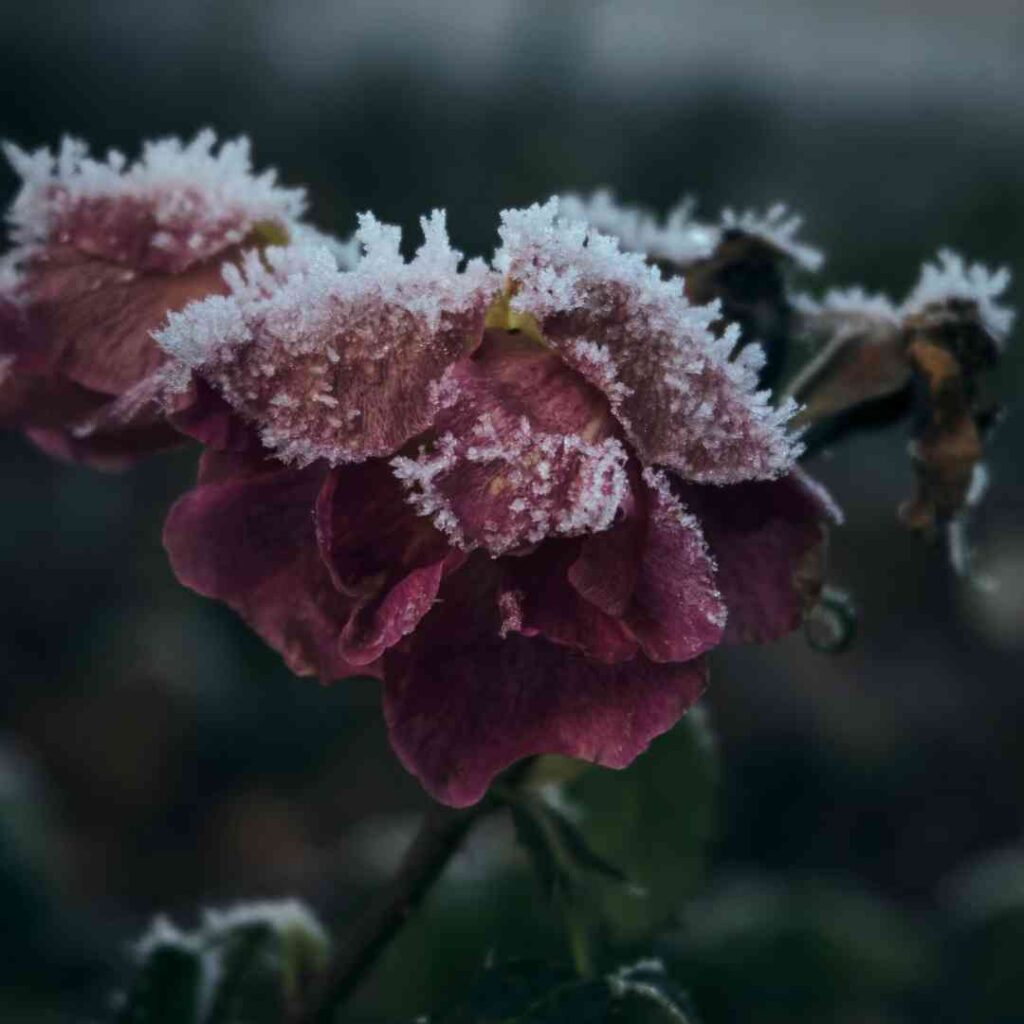
Plant shrubs 🌳
- Dogwoods: bright red/orange branches in winter down to about -15°C. Need regular spring pruning to keep stems young and colorful.
- Mahonias: large clusters of fragrant yellow flowers from December to March, very attractive to bees. Tolerate light shade and ordinary soil, perfect for the back of a flower bed.
- Winter jasmine: long stems covered with small yellow flowers from December onwards, even without leaves. Very hardy, ideal for low walls, embankments, or planters, requiring almost no maintenance.
- Winter honeysuckle: small, highly fragrant cream-colored flowers in the middle of winter, attracting the first pollinators. Place near a walkway to enjoy them to the fullest.
- Camellias (winter varieties): single or double flowers, white, pink, or red, from fall to early spring. Prefer acidic, cool soil and locations sheltered from cold winds.
Many other plants exist, but all of them energize the cold garden and boost biodiversity in the spring by supporting small insects with nectar or pollen that is scarce during the off-season.
How can you protect your plants in winter? 🌬️
To grow plants in winter, there are several protective measures that can help your plants.
Bell jars, wintering veils, tunnels, or small greenhouses, even those designed for balconies, create a microclimate by retaining a little heat while protecting against cold winds and frost.
No need to go out in the cold to water your plants: these shelters reduce watering needs and promote growth.
This minimal protection is accessible to all gardeners, even beginners, and guarantees successful winter crops with little effort.
A self-fertilizing vegetable garden for growing and composting in a small space
Easy & Odorless
Handcrafted in Portugal
Design
Compact
Modular
2x more harvests than in pots
In summary: best practices for successful winter planting
To plant in your garden in winter, follow these simple tips:
1- Add hardy seeds and plants in moderate quantities 🍃: focus your efforts on species that have proven their hardiness.
2- Cut down on tilling 🪴: avoid disturbing the soil in winter; instead, simply aerate it and add compost to the surface.
3- Mulch generously 🍂: protect the soil surface with a thick layer of dead leaves, straw, or ramial chipped wood to insulate it from the cold.
4- Choose the right time: plant outside of frost periods or when the soil is waterlogged.
5- Monitor humidity: watering is rarely necessary in winter, but check crops under cover to prevent them from drying out.
Winter gardening is much more than just what you might think.
You just have to be as careful as you are in summer.
A little common sense and a dash of balance for abundant harvests from winter to spring!