Have you decided to compost your organic waste and are looking for an effective, 100% natural, and above all, odorless solution? Vermicomposting is for you!
It is, without a doubt, THE BEST solution for composting at home, especially when space is limited. Whether you live in an apartment or a house, alone or with your family, vermiculture can be adapted to all lifestyles and all types of housing.
Convinced? Perfect. All you need to do now is get some worms (and a worm composter). But this is often when the questions start: where can I find reliable worms? Which species should I choose? How many should I buy? Why do prices vary so much?
We know that adopting compost worms remains a mysterious subject. It receives little media coverage, is often poorly explained, and is sometimes even surrounded by misconceptions. Sorting difficulties and contradictory information make it difficult to navigate.
Don't panic. In this article, we explain everything you need to know to choose the right worms and start vermicomposting with confidence, with a solid foundation and clear advice.
Odorless composting indoors or outdoors
From €39.00
Easy & Odorless
Handcrafted products
Compact
Modular
Eligible for subsidies
Contents
Why buy compost worms?
You've just bought a worm composter or you want to get one, but you're overwhelmed by all the information about worms. We'll explain everything in detail!
Worms are essential for a vermicomposter because they accelerate the process of transforming bio-waste into vermicompost, which is a rich, fine natural fertilizer. Without them, it would be impossible to start the process. This is what sets it apart from compost, which is slower and does not require large quantities of earthworms.
Indeed, worms accelerate the decomposition process of waste, which helps to balance the compost, which can sometimes be very slow.
What's more, worms are perfect allies in the vegetable garden because they make the soil much more fertile! That's right, worms structure the soil and improve air and water circulation while promoting microbial life. They are true soil workers and, what's more, they are NATURAL. Soil without earthworms is soil devoid of nutrients and is destined to die.
Like bees, earthworms have been essential agents in maintaining biodiversity for over 700 million years, which in turn allows us to feed ourselves from the Earth every day. It is therefore our duty to protect them.
The different species of compost worms
Not all worms compost!
When researching what type of worms to buy, you may come across an overwhelming amount of information and find yourself unsure of what to choose for your vermicomposter.
Not all worms are suitable for composting! There are over 5,000 species of worms, but few are suitable for vermicomposting.
There are three main families of worms:
- Epigeic worms: Epigeic worms live on the surface, in litter, and quickly break down organic matter without digging tunnels. Small and highly diverse, they play a key role in natural recycling alongside microorganisms.
- Anecic worms: Anecic worms dig deep vertical tunnels and bring food to the surface to digest it and produce highly fertile castings. Their activity structures the soil and contributes to the formation of the clay-humus complex.
- Endogeic worms: Endogeic worms live in the soil, where they dig numerous horizontal tunnels, improving aeration and water circulation. They feed on soil and contribute to underground life and the slow decomposition of organic matter.
These three families of worms help to structure and balance soils and agricultural land. All play a fundamental role and are complementary.
Which species should you choose?
Now you're probably wondering which type of worms you should get if you want to start vermicomposting.
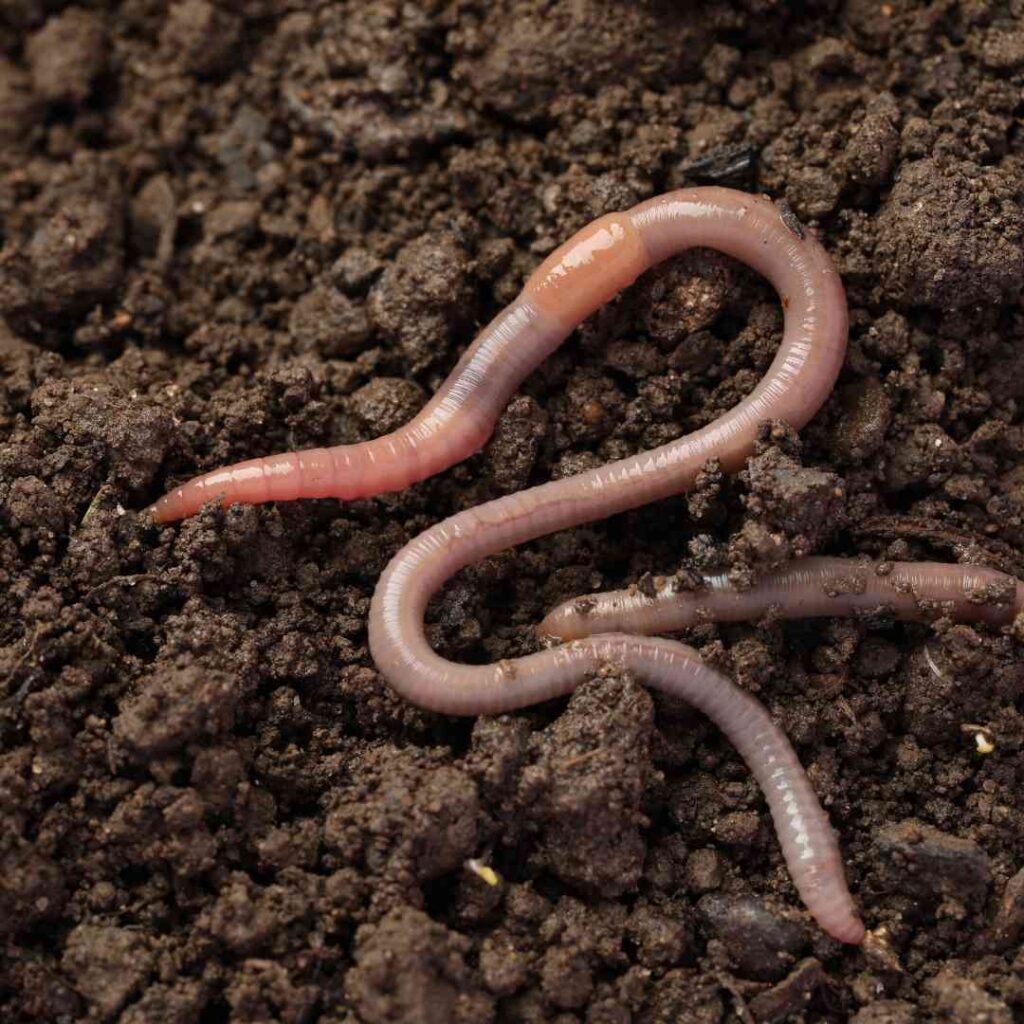
There are two species of worms that can be used: Eseinia Fetida and Eiseinia Andrei. These two species are similar and live under the same environmental conditions. Their physiology is the same and they have rapid reproductive capabilities.
Both species are epigeic worms, as they live on the surface of the soil and feed on decomposing matter or, at the very least, organic matter.
You may be wondering if you can mix these two species. Well, the answer is yes, the worms will coexist perfectly.
The worms we supply at Ceercle to the Eseinia Fetida species and are raised by us on our worm farm.
How many worms should I buy?
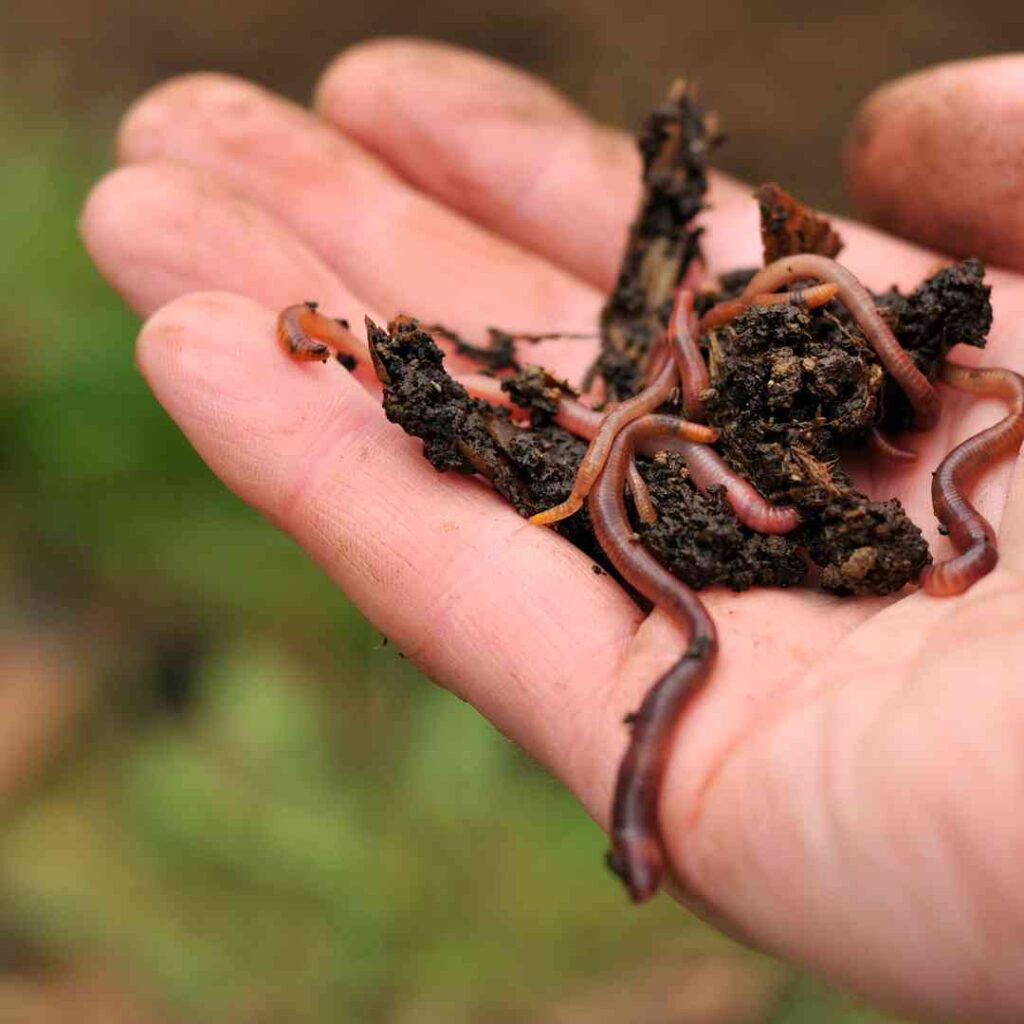
First, it is important to know that worms reproduce quite quickly, laying between 90 and 120 cocoons per year. Each cocoon contains up to four baby worms. Therefore, if your worms are healthy and well fed, they will reproduce much faster.
For a beginner worm composter, it is recommended to buy a 500g bag of worms, which is about 1,000 worms. This bag will also contain potting soil so that the worms can be comfortable during the journey to their new home!
Next, to boost your worm composter, 250g of earthworms is more than enough.
Finally, if you want to enrich your vegetable garden or a plot of land, we recommend 250g per 2-3 square meters, in addition to organic matter, of course.
Where can I buy earthworms?
Have you searched online for where to buy worms but still don't know how to choose them? We explain everything here!
Obtaining worms is not very complicated, and there are several options available to you. It is up to you to determine your criteria.
You can buy them online from a worm farm that can ship them to you. Make sure that the farm you order from shares your values in terms of ethics and respect for biodiversity!
We produce our compost worms in our greenhouse in the Lyon region. Our worms are fed a high-quality diet. We attach great importance to respecting and understanding biodiversity, which is why we offer our customers the opportunity to visit the farm.
In addition, there are numerous worm exchange networks, particularly on Facebook. You can therefore easily find someone to give you worms depending on the region you live in.
Raised by us on our vermiculture farm near Lyon.
500g bag of worms and eggs
Microfauna for starting the vermicomposter
Fast home delivery
How to properly install compost worms?
Check that the worms are healthy upon receipt
Upon receiving your worms, check that they are healthy and ready to move into their new home. To do this, check that:
- They must be lively and mobile;
- Slightly damp but not soaked;
- Brightly colored;
- Grouped together in the material.
If they are scattered, dry, or soft, do not hesitate to contact the seller.
How to help them adjust to their new environment
At the reception desk:
- Open the bag gently.
- Let them breathe for 5–10 minutes.
- Place them with their original bedding in your container.
- Leave them alone for 24–48 hours.
Do not feed them large quantities of food during the first few days: they first need to find their bearings. That is why we recommend feeding them only once a day for almost a month. If you are using a worm composter, feel free to cover it with small pieces of cardboard.
Conclusion
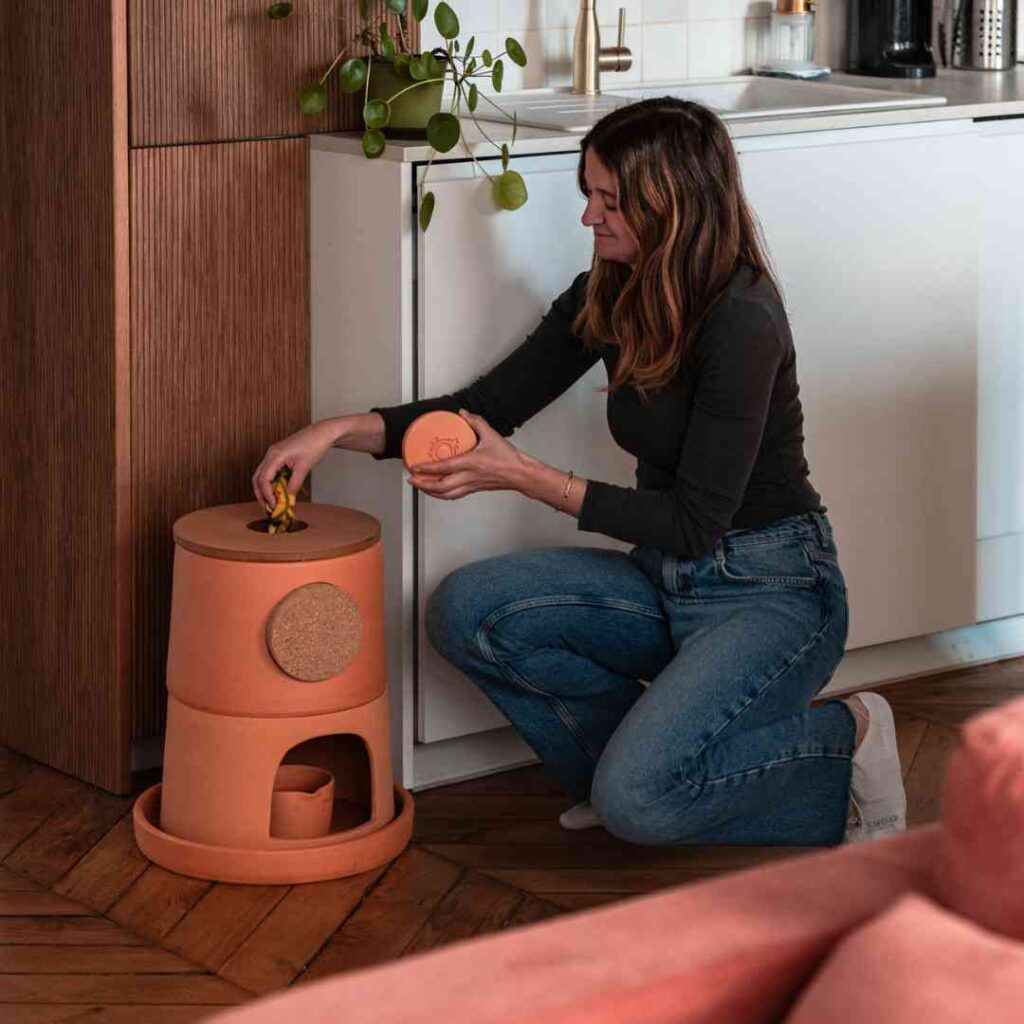
Buying earthworms is the first step in getting started with vermicomposting. By choosing the right species, the right quantity, and a reliable supplier, you will be off to a solid start. With a few precautions during delivery and installation, your worms will quickly adapt and transform your organic waste into rich, fine, natural compost.
Worm composting is simple. All you need is the right information to get started... and your worms will become your best roommates!