Orange, lemon, clementine, grapefruit... citrus fruits are among the most widely consumed fruits in France. Yet composting citrus fruit is often the subject of debate, and not without its share of preconceived ideas.
So today, we're taking a look at what's real and what's not. Because after a fresh glass of lemonade, your compost might just deserve a squeeze of lemon too, don't you think?
👉 Discover our composting vegetable garden for composting and growing in one and the same object!
Raised by us on our vermiculture farm near Lyon.
500g bag of worms and eggs
Microfauna for starting the vermicomposter
Fast home delivery
Contents
Why is composting citrus fruit a topic of debate?
Ah, citrus fruits! We love them in juice in the morning, but in the compost... it's often a different story.
The same questions are frequently asked:
- "Aren't citrus fruits too acidic for my compost? Will it throw it off balance?"
- "Citrus peels are tough, will they decompose?"
- "Citrus peels are often treated. Aren't they toxic for my compost worms?"
So no compost? Not so fast!
The acidity of citrus peels
Yes, citrus fruits are acidic, but that's nothing new. They're rich in citric acid. Compost that is too acidic can slow down the decomposition of waste and disrupt the activity of microorganisms.
However, contrary to popular belief, citrus fruit does not unbalance the pH of compost, unless too much is added. And you don't eat 15 lemons in a row! On average, citrus waste accounts for between 1% and 5% of our total biowaste over the course of a year (Réseau Compost Citoyen).
Did you know? Tomatoes are also acidic fruits... and yet no one has ever bothered to compost them!
The acidity of citrus peels is gradually neutralized over time. Citrus fruit can be easily incorporated into a well-balanced compost with sufficient brown matter and good aeration.
Tough but not eternal skin
It's true: orange and lemon peels are tougher than average, and require a little more patience to decompose. But don't panic: they don't last forever! If you cut them up into small pieces and add the right amount of moisture to the compost, they'll eventually disappear without a fuss. We're a long way from the thousand-year-old fossil, I promise!
Citrus peels contain water (over 80%), lignin, cellulose, zest and essential oils. They are therefore rapidly degraded by fungi and humidity. They often tend to go mouldy, which is a good sign.
Citrus peels degrade all the better with the right amount of moisture. Don't hesitate to bury them in your garbage heap to prevent them from drying out and hardening.
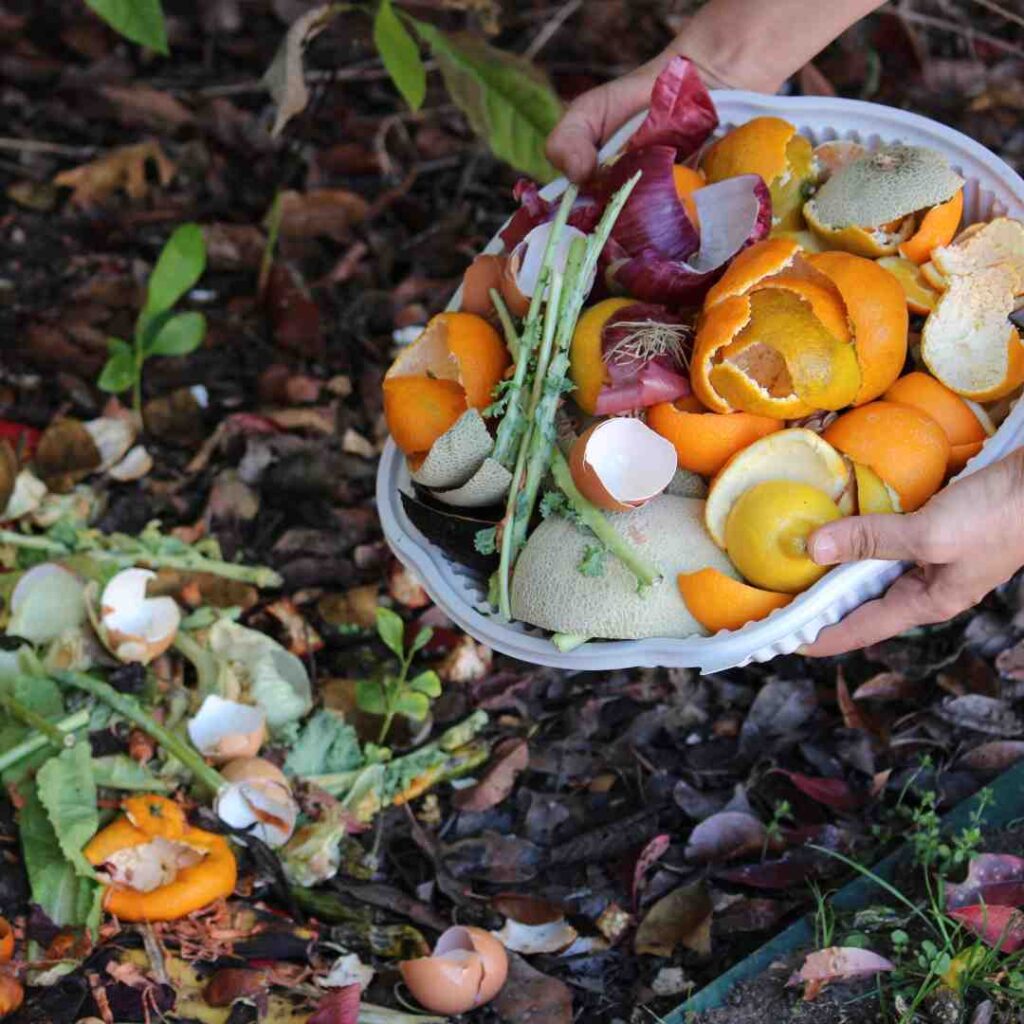
Pesticides
Yes, many commercial citrus fruits are treated (pesticides, waxes...). But other fruits and vegetables are not exempt from treatment!
The good news is that the composting process breaks down a large proportion of pesticide residues.
That said, it's better if you can use organic citrus fruits, as the little bugs in the compost will be grateful.
What about essential oils?
Citrus peels are concentrated in essential oils. These substances are antifungal and antibacterial. Citrus fruits are therefore accused of reducing bacterial activity in compost.
This overlooks the fact that bacteria aren't the only ones involved in decomposing matter! Fungi break down the citrus fruit's bactericides, opening the door to bacteria. So, despite the essential oils they contain, citrus fruit won't disrupt your compost!
Classic composter vs. vermicomposter: what are the differences for citrus fruit?
It's important to understand the difference between vermicomposting and conventional composting in order to compost your citrus fruit.
They don't both have the same stamina, and they don't both love the same foods!
Citrus fruits in a traditional composter
In a conventional composter, it's the soil micro-organisms that roll up their sleeves to turn your peelings into gold for your plants 🌱
There's no need to invite them in - they'll come to you... as long as your planter is placed directly on the soil. With air, moisture and a few good scraps, these discreet little workers can work wonders.
In a conventional composter, orange and lemon peels have the door wide open! 🍋
Just add them in moderation, cut them into small pieces, and you're done. The result? Citrus fruits decompose quietly, without causing any problems, and end up transforming into a super compost to boost your plants.
Citrus fruits in a vermicomposter 🪱
In the vermicomposter, it's the worms that work to transform your food into humus. It's a win-win situation: the worms eat as much as they want, and you reap the rewards of rich compost.
However, the vermicomposter is a more fragile ecosystem than a conventional composter. In terms of pH, worms prefer neutral to slightly basic environments. Feeding them too acidic a diet can stress them, slow down their activity and unbalance the vermicompost.
So yes, you can add citrus fruits to your vermicomposter, but in small quantities! With a varied and balanced menu, worms work like chefs 💚
👉 Read our article on " what to put in a compost bin, a comprehensive and practical guide."
And to get started — even if you live in an apartment — discover our compact vermicomposter !
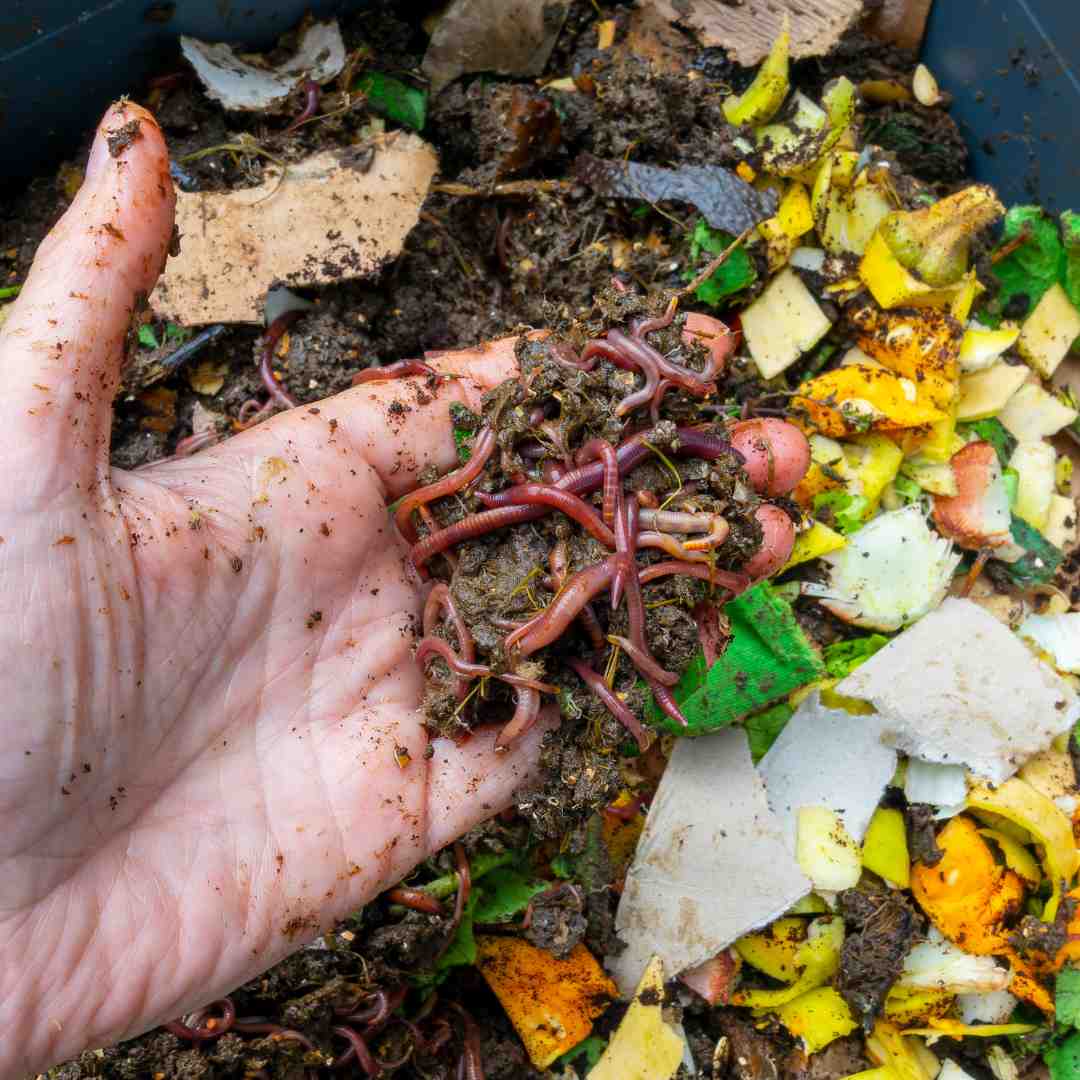
In a nutshell: best practices for composting citrus fruit
Here are the best practices for (lombri)composting citrus fruits:
- Add citrus fruits in moderate quantities
- Cut citrus fruits into small pieces 🍊
- Bury citrus peels to prevent them from drying out
- Balance compost with brown matter 🍂
- Stir your compost to ensure proper decomposition
- Monitor compost evolution (or worm activity) 🪱
Yes, citrus fruits can be composted, Ceercle the Ceercle team Ceercle confirm! All it takes is a little common sense and a dash of balance 💚