Mint is a must-have aromatic plant! Loved for its refreshing flavor, it's easy to grow.
An essential ingredient in many recipes, it is the star of the famous Moroccan tea, which has been a symbol of hospitality since the 19th century.
Discover the essentials for sowing, growing and cooking mint! 🌱
👉 To grow your own herbs, discover our vegetable composter.
Contents
Growing mint
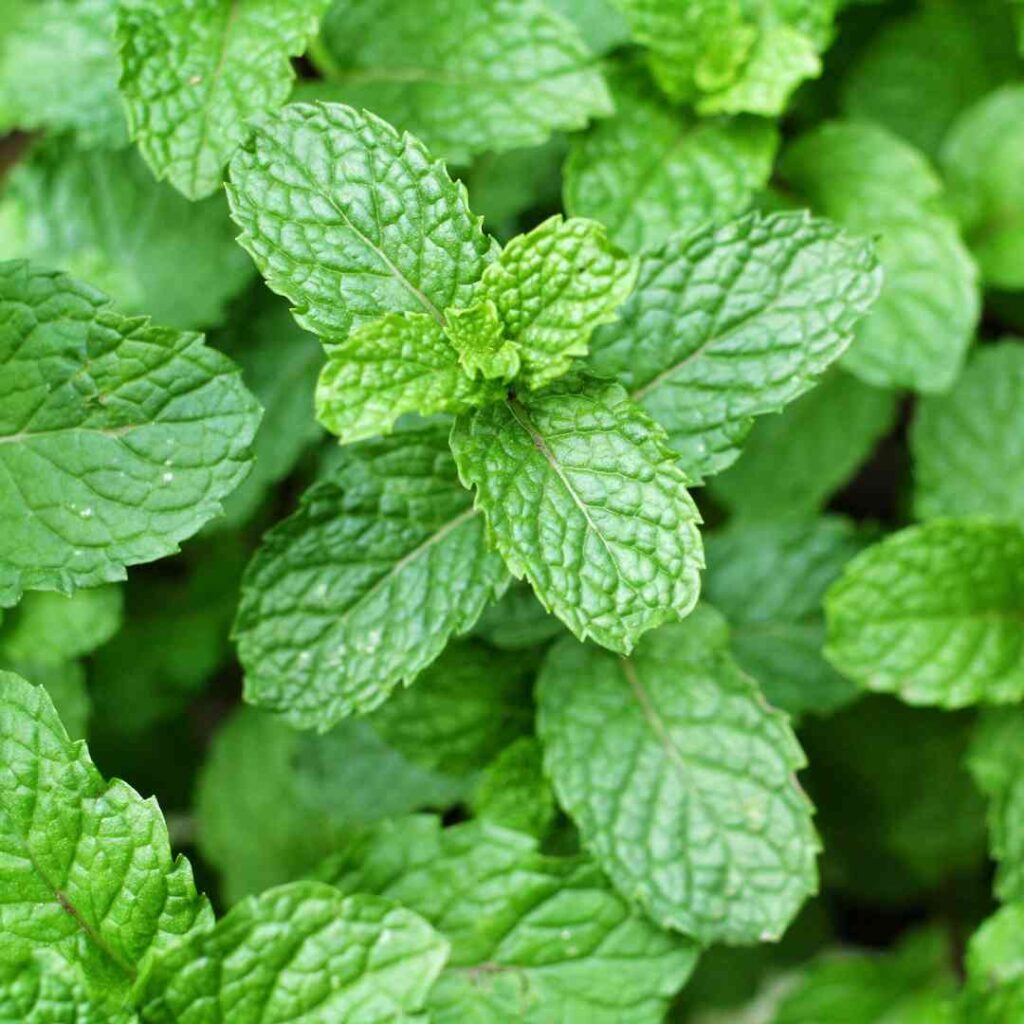
Mint is an aromatic that adapts very quickly to its environment. It loves rich, fresh soil, but can also grow in poorer soils. Once well established, it requires very little maintenance. Extremely hardy, it can withstand temperatures of up to 15°C, depending on the variety!
It grows rapidly, so much so that it is sometimes considered too invasive. We advise you to grow it in pots or to limit its expansion in the open ground.
Sowing, planting, harvesting
- Sowing: sow mint seeds in spring, from March to May, under cover or in the ground after the last frosts.
- Planting: spring to autumn.
- Harvesting: Pick leaves as and when you need them, from May until the first frost. For the tastiest leaves, harvest in the morning.
A self-fertilizing vegetable garden for growing and composting in a small space
Easy & Odorless
Handcrafted in Portugal
Design
Compact
Modular
2x more harvests than in pots
How to water mint?
Mint likes cool soil: water regularly, especially in hot weather or when growing in pots.
Mulching helps conserve soil moisture. You can use classic materials such as straw, dead leaves, or even hulls or pits. They provide a natural, long-lasting mulch, ideal for keeping your mint plants cool.
👉 Here's how to make a mulch with your cherry pits.
Exhibition: how to plant mint in the vegetable garden?
Mint thrives in part shade, but is equally at home in the sun if the soil remains cool.
Place it in a pot or in a corner of your vegetable garden to enjoy its fragrance and ward off pests such as mosquitoes, slugs and aphids.
In the vegetable garden, you can combine it with cabbages, peas, squash or tomatoes. Its powerful fragrance is useful for repelling insect pests!
Cooking with mint
A delicious minty taste
Mint leaves and flowers are edible. Mint adds a touch of freshness. Depending on the variety, it has a mild, sweet (spearmint) or pungent (peppermint) flavour.
Use fresh or dried to flavour salads, dishes or desserts. It flavors both savory and sweet recipes. On the savory side, it's delicious with egg rolls or spring rolls. For sweets, make mint infusions or syrup!
How do you dry your mint? Cut a bunch and dry it upside down in a warm, dry, airy place.
A medicinal plant
Mint has been used since Antiquity for its many virtues.
- It aids digestion, relieving nausea, bloating and stomach ache.
- Anti-microbial, it improves oral hygiene. Can be used as a mouthwash.
- Antiseptic and decongestant, it is useful for colds.
- Calming and soothing, it helps reduce stress.
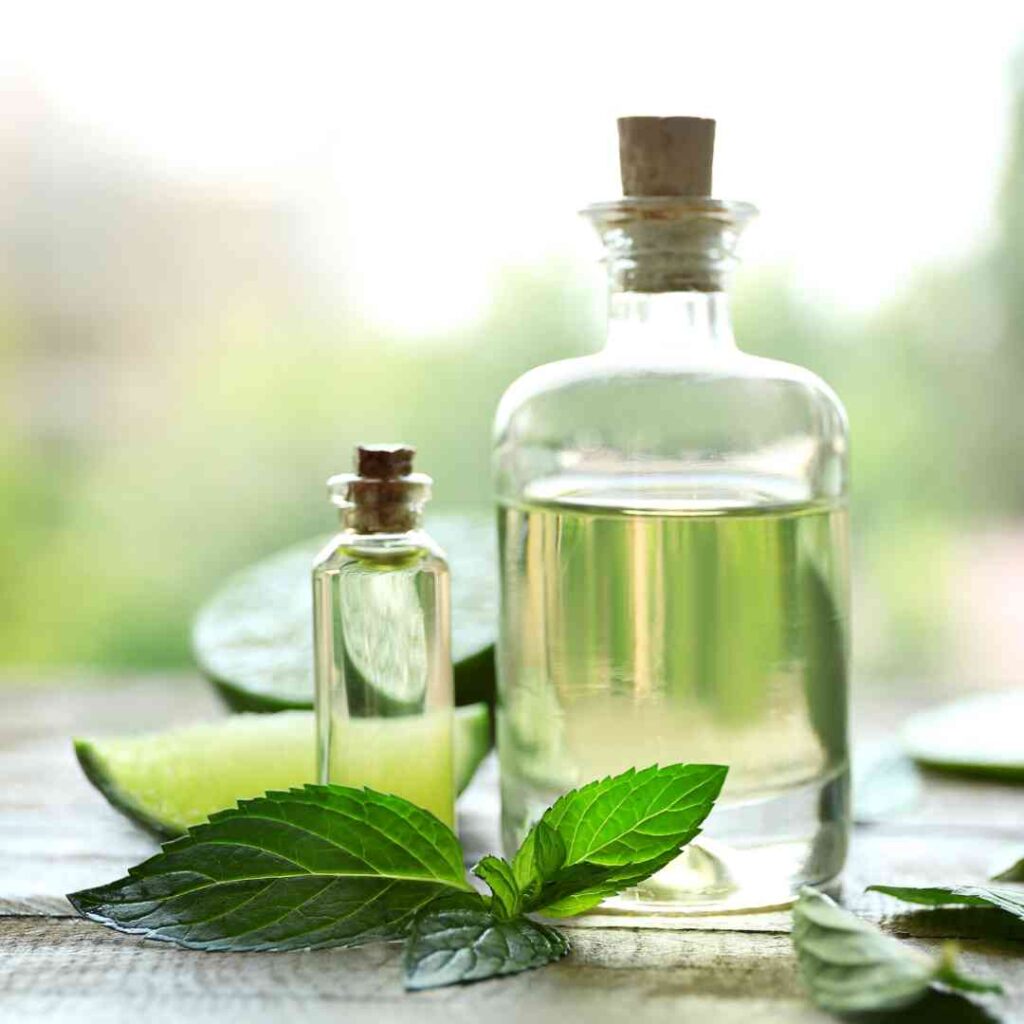
Our recipe: mint syrup
A refreshing classic, perfect for a sunny afternoon.
A recipe with no colorants or preservatives! Surprise: it's not naturally green.
Ingredients:
- 1 large handful fresh mint leaves
- 500 ml water
- 500 g sugar
- Optional: a touch of lemon
Recipe:
1️⃣ Prepare the mint: rinse the leaves and lightly crumple them to release their fragrance.
2️⃣ Infuse: in a saucepan, bring the water to the boil and add the mint leaves. Turn off the heat, cover and leave to infuse with a lid for around 30 minutes.
Good to know: leave to rest with a lid to preserve mint's aromas and properties.
3️⃣ Strain: remove the leaves and add the sugar to the infusion. Heat over low heat until the sugar is completely dissolved (about 10 minutes). Add a few drops of lemon juice for a tangy touch! 🍋
4️⃣ Bottle: pour the hot syrup into a glass bottle. Leave to cool for a few hours and store in the fridge.
⏳ Shelf life: 1 month in a cool place.
Did you know?
Mint has been used as a plant for a very long time. Mint leaves were found in the Egyptian pyramids!
Traditionally, mint tea is served 3 times. According to a proverb, "The first glass is as sweet as life. The second is as strong as love. The third is as bitter as death."