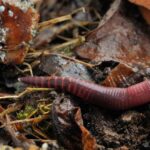
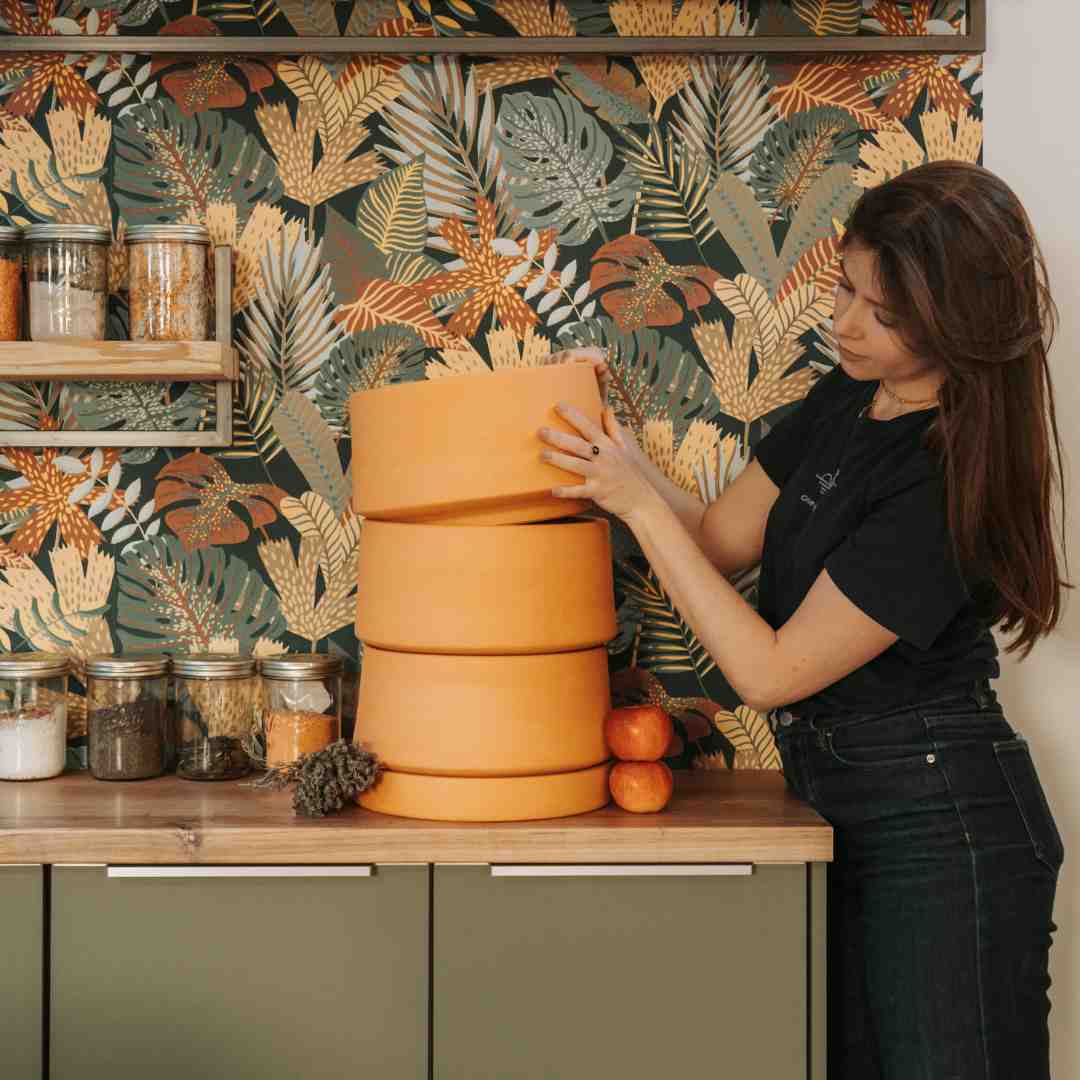
On the occasion of Valentine's Day, love is in the compost! We invite you to dive into the discovery of the love life of compost worms... You will learn everything about how they reproduce and multiply in your worm composter.
👉 Worms are the new pets. Adopt compost worms with Ceercle
Contents
Hermaphroditic worms
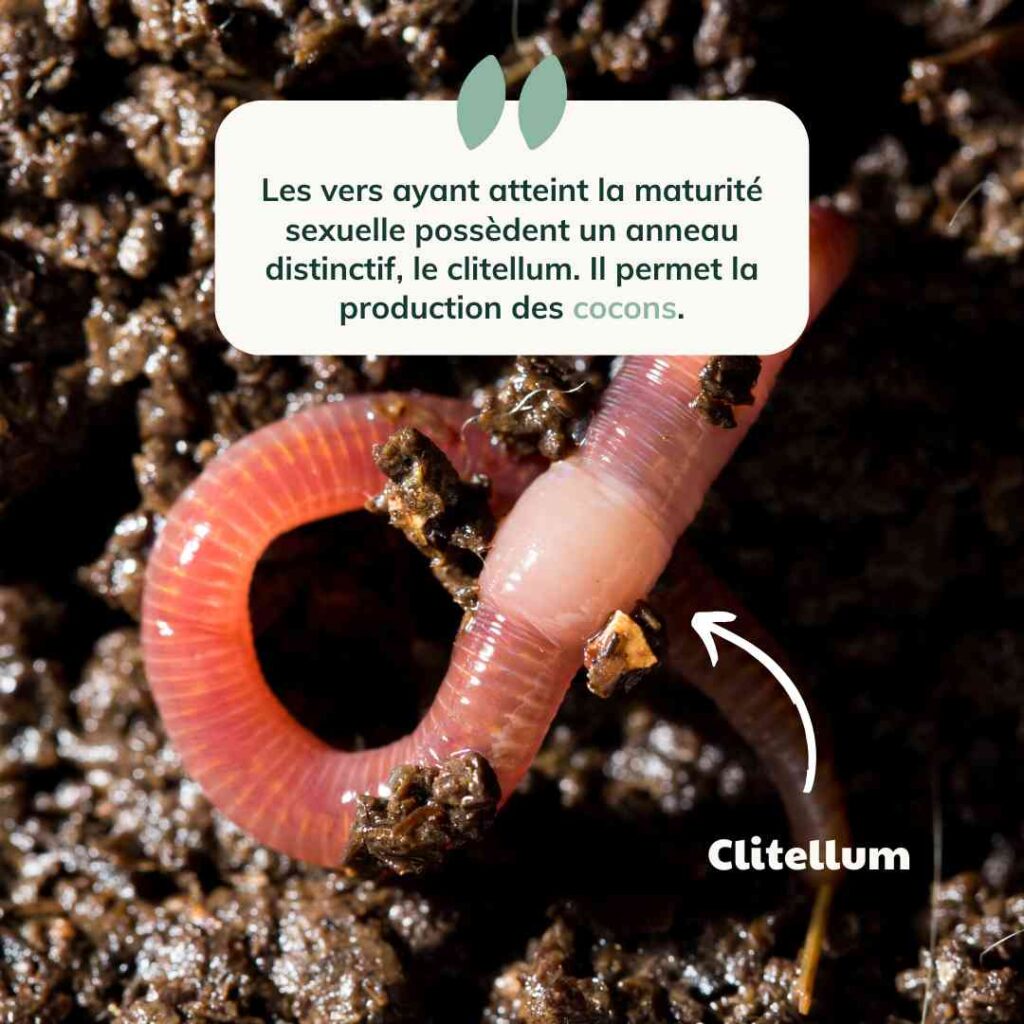
Compost worms begin to reproduce at 2 or 3 months of age. Sexually mature worms have a distinctive ring , the clitellum. It allows the production of cocoons.
Earthworms are hermaphrodites: they have both male and female reproductive organs.
After mating, which lasts about an hour, each worm lays cocoons !
Exponential reproduction
The worms lay eggs between 90 and 120 cocoons per year. Each cocoon contains up to 4 baby earthworms !
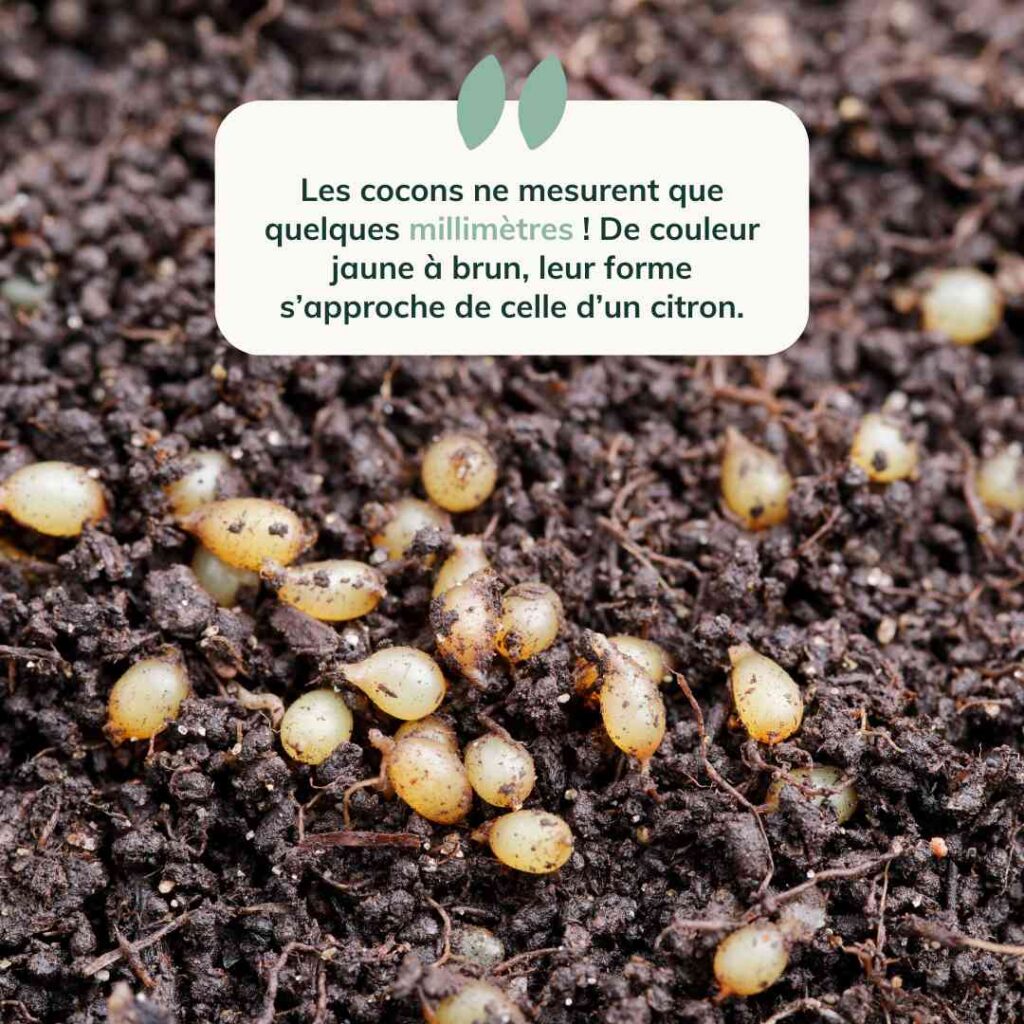
The cocoons are only a few millimeters long. They are yellow to brown in color and are shaped like a lemon . The cocoons take 3 to 4 weeks to hatch.
So the worm population can double every 3 months!
Worms too prolific?
At this rate, you're probably wondering if your compost bin is going to be invaded by worms in just a few months!
Well no, because compost worms regulate their population according to the food and space available to them!
If there is not enough space or food, they slow down their reproduction rate. This is often the case, for example, during vacations, when you stop adding biowaste for one to two weeks.
Magical, right?
Adopt compost worms
Compost worms have super powers! They allow composting:
- Fast: vermicomposting is 4 times faster than traditional composting.
- Simple: no need to moisten and turn the compost, the worms do all the work for you!
- Odorless: Thanks to the enzymes contained in their intestine, they eliminate the odor of decomposition of waste by digesting it.
- Perfectly suited to city life: vermicomposting is the only solution that can be done in an apartment, indoors or outdoors, and in a small space.
Odorless composting indoors or outdoors
From €39.00
Easy & Odorless
Handcrafted products
Compact
Modular
Eligible for subsidies