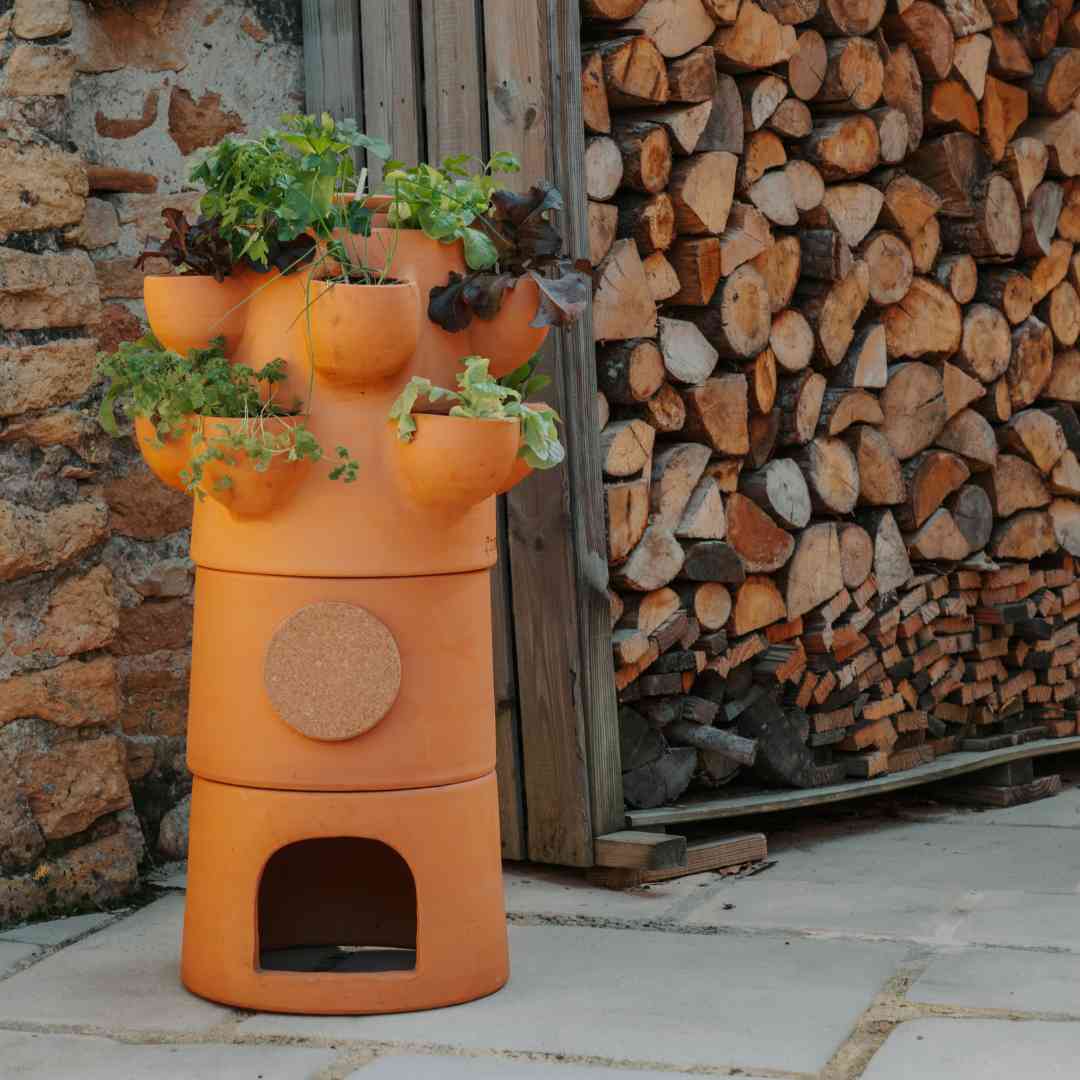
The southern or south-western exposure of a plot of land is certainly considered the Holy Grail by amateur and professional gardeners alike. There's no better place to set up a vegetable garden and grow fruit, vegetables and herbs. Most plants enjoy growing in full sun, provided they receive the water, maintenance and care they need. On a balcony, on a terrace or at the bottom of a large south-facing garden, it's easy to plant many varieties of plants. Here are our tips for creating a sunny vegetable garden.
Contents
Planting a vegetable garden in full sun: what you need to know
Does your garden get 6 hours of direct sunlight a day? This means it faces south or south-west, the best possible orientation for growing plants. Even if you can afford almost anything, it's essential to set up your gardening space properly before you start sowing or planting.
An ideal location for growing a wide range of fruits and vegetables
6 hours of sunshine a day determine a south or south-west exposure. This orientation is ideal for growing a wide range of plants: herbs, succulents, Mediterranean plants, fruit and vegetables. In a large garden, and with the phenomenon of global warming, it's increasingly common to see southern trees and shrubs in more northerly regions of France. On a sunny balcony, it's possible to grow vegetables that don't require deep roots in a vegetable patch. Most herbs also appreciate warmth and light. From September to March, your outdoor space will remain relatively full, and you'll be able to harvest good winter vegetables.
With our Water gardens and our Ollas to plant
7 to 15 days of autonomy
Handcrafted in Portugal
Economical
Ecological
Modular
Terracotta spreads water
How to plant a vegetable garden in full sun
To give your plants the best chance of growing in the best possible conditions, it's important to take an interest in the layout of your future gardening space. In the garden, it's best to choose a flat area sheltered from the wind. Draughts slow down plant growth. Don't hesitate to surround your vegetable patch with privacy screens or permeable fences. Wooden fences are both attractive and useful. In addition, delimiting your growing space with walls or fences forms an obstacle to animals, whose nocturnal visits can cause serious damage. Make sure you choose quality soil too. The soil should be sufficiently rich, well-drained and free from large roots or stones. Observe the wild plants already in the field. Their varieties can give you an idea of whether the soil is clayey, sandy or damp.
For even greater gardening comfort, make sure you have a water source near your future vegetable garden. In hot weather, this will come in very handy. Finally, you should know that some plants do appreciate a few shaded areas. Direct sunlight at any time of year is not always ideal. Planting evergreen hedges or a few fruit trees can be a good idea.
Vegetables and fruit that enjoy warmth and sunshine
Does your plot face south? It's a godsend for growing a wide range of fruit trees, vegetables and edible flowers all year round. As early as spring, you can start sowing tomatoes, zucchinis and strawberries in anticipation of a high-season harvest. Don't hesitate to combine your plantings with aromatic plants such as parsley, thyme or basil, which will liven up your best summer salads.
Choose to plant sunny vegetable varieties
In a vegetable garden that benefits from warmth and sunlight, it is recommended to choose suitable varieties. You will find a wide selection of plants for balcony vegetable gardens Ceercle. Chili peppers like to grow in sheltered areas but need plenty of heat and water to thrive in well-drained soil enriched with compost. Cherry tomatoes thrive in rich soil and regular watering, as well as the presence of herbs to repel pests. Radishes can be grown all year round as long as they are planted in sandy, well-aerated soil. Visit the Ceercle website Ceercle find out more about vegetables to plant in a south-facing vegetable garden.
Some aromatic herbs and edible flowers
As for herbs, you're spoilt for choice. Nasturtium is an edible flower that likes both sunshine and cool soil. You'll need to water it well and place it in a semi-shaded area. Thyme is a hardy plant that many pollinators love. An aerated potting soil is essential for its growth. Basil, the star of our pizzas, loves full sun. Don't hesitate to water it well and prune it regularly.
With our 4 seasons subscription receive boxes of organic and seasonal plants
4 boxes of 6 or 16 plants per year
Careful delivery
After-sales service
4 gardening masterclasses
Aromatics, vegetables, flowers
No obligation
Tips for maintaining a vegetable garden in full sun
In the sun, in the shade or in a shady area, the vegetable garden needs regular care and maintenance all year round. Watering control, crop rotation, mulching, pruning, adding fertilizer or natural compost are the tasks awaiting the gardener. Here's our advice on how to care for exposed plantings throughout the seasons.
Managing the water and coolness needs of crops
The gardener's main problem with a vegetable garden in full sun is to to ensure sufficient watering. As early as spring, heatwaves can occur and cause irreparable damage. Adopt the right gestures: water early in the morning or in the evening, when the heat has died down. This prevents rapid evaporation. Also, avoid wetting the leaves, otherwise disease and mildew may appear. A word of advice: mulch your soil around the roots of your plants. This technique saves water by conserving moisture and freshness for longer. As soon as you've laid out your growing plots, don't hesitate to install a drip irrigation system. This system distributes moisture slowly and evenly, which is very practical when you're away on vacation. Watering on a balcony follows the same rules. For potted plants, it's a good idea to let the cups fill up after each watering. By capillary action, the plant draws the necessary water through its roots.
Preserve the soil by rotating crops on site
Vegetable garden soils exposed to full sun all year round tend to become impoverished and dry out. Crop rotation is a good way of giving the soil a boost and facilitating plant growth. This involves alternating different varieties over several years. Nutrients are renewed, fertility preserved and pests and diseases limited. Divide your plot into several zones and plant root vegetables in the first, legumes in the second, leafy vegetables in the third and herbs in the last. The following year, rotate the plantings clockwise.
Creating spaces for insects helps develop biodiversity
It would be a shame to deprive yourself of the beneficial presence of beneficial insects in the garden with such an exhibition. Encouraging biodiversity helps maintain the right balance between different plantings. Give priority to pollinating insects and beneficial insects. An insect hotel is very simple to set up, yet aesthetically pleasing. Allow wild grasses and undergrowth to develop a little and provide natural shelter for your future guests. There are also host plants such as fennel, which provide both shelter and food for insects.
Creating a vegetable garden in the sun is fairly simple. Indeed, south or southwest exposure is best for most plants to thrive. However, to take care of your crops all year round, there are a few best practices to keep in mind. Choosing the right varieties of vegetables, flowers, and herbs is certainly very important, but meticulous maintenance of the garden throughout each season is just as crucial. For small spaces in the city, opt for a Ceercle balcony composting vegetable garden Ceercle