Contents
History of rosemary
A shrub of Mediterranean origin, the Greeks dedicated rosemary to the goddess Aphrodite and the Romans used it for its medicinal virtues. Its energizing effects elevated it in myth to the rank of good luck charm, so it was formed into wreaths for brides and placed in branches in the cradles of newborns. In the Middle Ages, rosemary was used to ward off evil spirits and the plague.
Today, it is grown mainly in the Netherlands and the Balkans, from where it is imported for consumption worldwide.
A member of the Lamiaceae family, rosemary is also known for attracting pollinating insects.
Growing rosemary
Depending on the variety, the shrub can reach a height of 1.50 m and a spread of 1 m. It's a perennial that thrives in sunny, light, well-drained, calcareous soil. Rosemary can even be cuttings in sand!
Whether planted in the ground or in a pot, it is best planted between March and April, at a depth of around 40 cm, and is best sheltered from the wind. Rosemary can be harvested until the first frosts. To enjoy it all year round, harvest before winter and dry upside down in a dry place. It can also be preserved by placing a sprig of the herb in a bottle of olive oil. The result is an oil infused with the fragrance of summer all year round.
Rosemary doesn't need watering in winter, but in summer it should be watered once a week for the first year. From the following year onwards, monthly watering is sufficient.
After flowering, prune your rosemary every year to remove spent flowers and encourage the emergence of new shoots. However, do not prune after September and before the end of the spring frosts. Between April and October, harvest stem ends with pruning shears.
You can compost everything in rosemary!
Cooking rosemary
Rosemary is an ally against intestinal bloating and abdominal pain thanks to its spasmolytic and diuretic action. It also has an energizing effect on the nervous system, calming nervousness and fatigue-related disorders. An aromatic well known in phytotherapy recipes for its decongestant effects on colds, asthma and sinusitis when used by inhaling its essential oil.
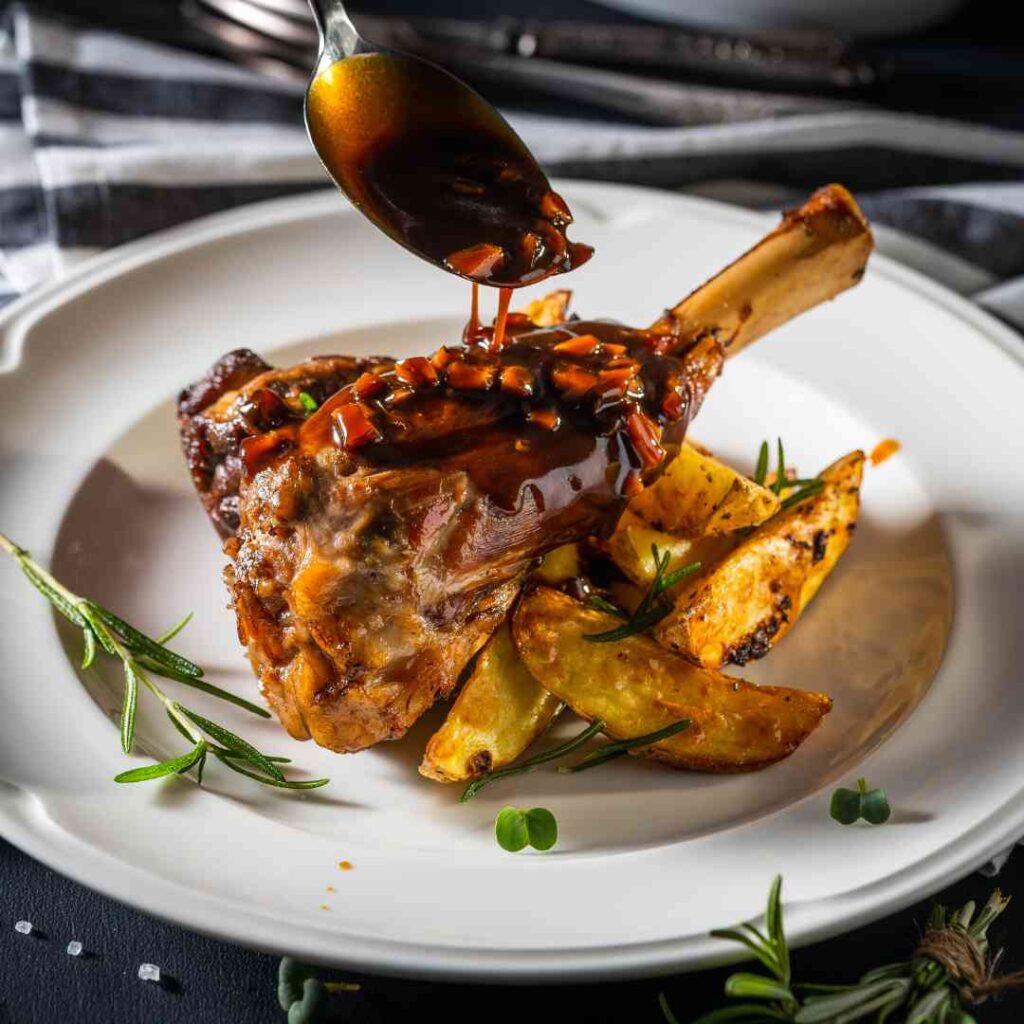
Recipe: leg of lamb with rosemary
The team and I thought we'd take a look back at our memories of the 7 o'clock leg of lamb from the New Year's Eve festivities, and the photos of the dinner still make our mouths water! Yes, rosemary is the spice of summer, but it's also delicious in winter...
We'll give you the recipe here:
Ingredients
- 1 leg of lamb, approx. 2kg
- 3 sprigs fresh or dried rosemary
- 4 garlic cloves
- 2 carrots
- 2 onions
- 2 bay leaves
- 1 glass of dry white wine
- 2 shallots
- Olive oil
- 15 cl water
- Salt
- Pepper
Preparation
Step 1: Preheat your oven to 120° and dice your onions and shallots, and slice your carrots.
Step 2: Brown your leg of lamb in an ovenproof cast-iron casserole dish with a little olive oil, 2 cloves of garlic and 1 sprig of rosemary. Set aside when nicely browned.
Step 3: Add a little olive oil to the bottom of the casserole if necessary, then add the carrots, shallots, onions, remaining garlic and rosemary. Brown and sweat over high heat, then deglaze with white wine. Cover for 5 min, then remove the cooking juices with a wooden spatula.
Step 4: Return the leg to the casserole with the bay leaf. Baste the leg with the sauce made up with 15 cl of water.
Step 5: Bake for approx. 7 hours, basting every hour or so. Turn halfway through baking.
Serve with homemade mashed potatoes or fried potatoes.
Enjoy your meal!
If you try out our recipes, share them with us on social media, tagging Ceercle Instagram, Facebook, LinkedIn, Twitter).
Read also: Radish, Tomato, Basil, Thyme, Nasturtium