Did you know that maintaining a balcony vegetable garden and getting good results from the very first year is within everyone's reach?
You don't need a large plot of land in the countryside to enjoy the benefits of a vegetable garden. A terrace or simple balcony is all you need for gardening in metropolitan France. Creating a green cocoon in the midst of the hustle and bustle of the city is an ecological, aesthetic and motivating adventure.
To embark on this exciting venture with peace of mind, you need to be well prepared.
In this article, we give you tips and advice on how to start a vegetable garden on your balcony.
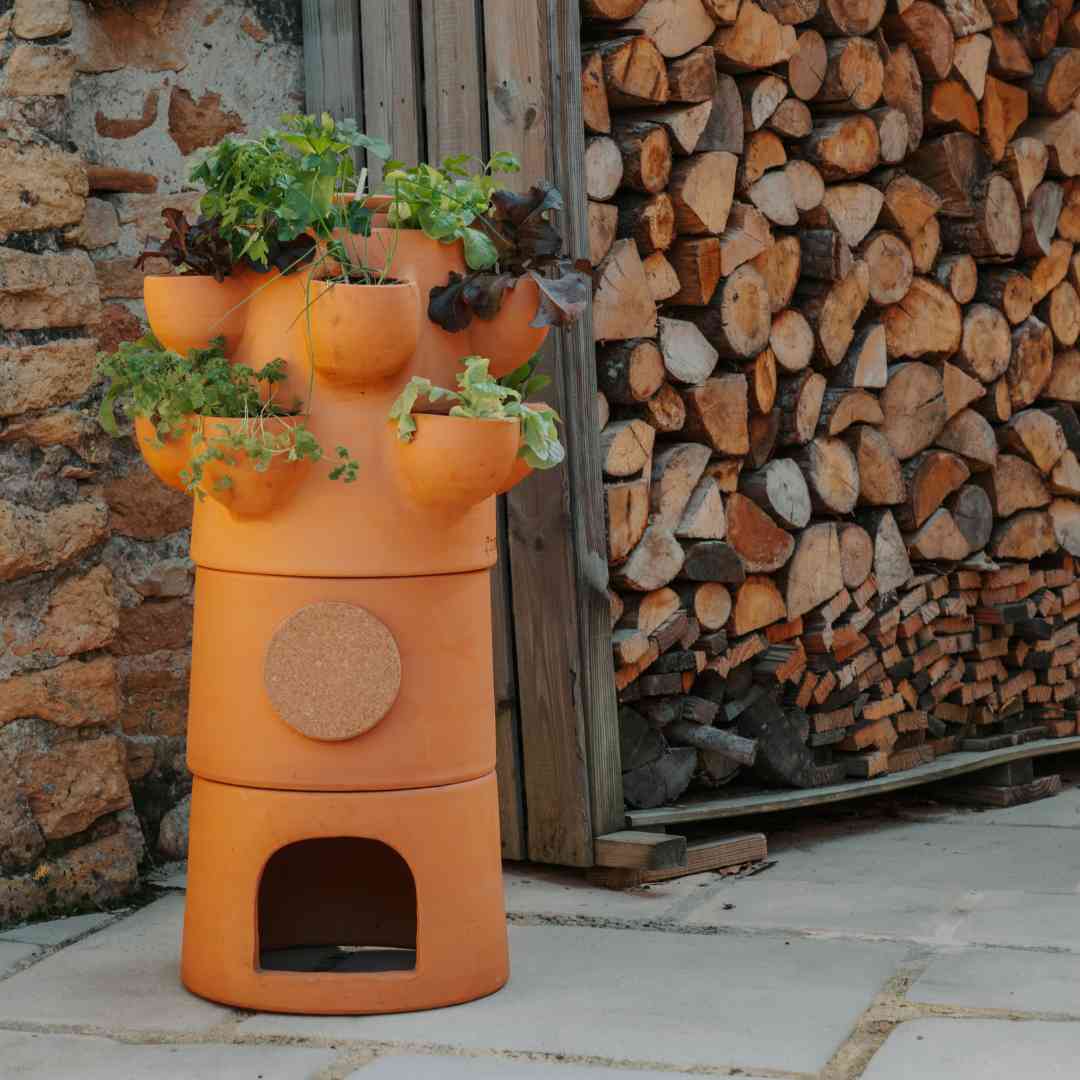
A self-fertilizing vegetable garden for growing and composting in a small space
Easy & Odorless
Handcrafted in Portugal
Design
Compact
Modular
2x more harvests than in pots
Contents
What should you do before starting a vegetable garden on your balcony?
There are many steps before you can enjoy your first cucumber or bunch of radishes. It's time to take a look around and choose the ideal location for your vegetable garden.
Here are a few ideas for fruit and vegetable gardening.
Choosing the right space for an attractive and functional balcony vegetable garden
In some cases, such installations are prohibited for safety reasons (falls, damage or flooding, for example).
Once you've completed this little formality, start looking for the ideal location. New to gardening? A small space with several gardening levels will suffice.
If you're feeling like an artist, don't hesitate to draw a detailed plan of your future Garden of Eden.
Choosing the right exposure is essential
There's a wide choice of plants that enjoy living in the shade. In the case of vegetable garden plants, we recommend a south-facing exposure.
Tomatoes, strawberries, romaine lettuces and rocket plants require maximum sunlight. Discover our latest article on how to plant a sunny balcony..
Is your balcony or terrace hopelessly dark? Certain varieties of radish and lettuce will do just fine in a dark environment.
Tips for easily creating a vegetable patch on your balcony
For those who don't have a green thumb, we advise you to read these tips carefully.
Choosing containers, selecting plant varieties and listing essential gardening equipment: gardening is not something you can improvise.
What type of receptacle is used to grow different plants?
There are many different types of container to choose from. Pots, planters, wooden squares, tubs, plant towers or green walls, there's something for everyone.
In a small urban plot, it's a good idea to grow your plants on several levels, or to arrange them in a hierarchy in a vegetable patch. For a space that's both aesthetically pleasing and eco-responsible, opt for recycled materials such as pallets or natural materials like terracotta.
Save a little extra space with vertical balcony planters and climbing plants to dress up your walls. The important thing is to choose the right container for each species.
Radishes and herbs thrive in small, shallow areas, while vegetable plants will want to spread out.
With our 4 seasons subscription receive boxes of organic and seasonal plants
4 boxes of 6 or 16 plants per year
Careful delivery
After-sales service
4 gardening masterclasses
Aromatics, vegetables, flowers
No obligation
Ideas for plants to plant in a balcony vegetable garden
Thyme, basil or parsley? Strawberry plants in the ground or fruit trees in pots? Salads or cherry tomatoes? Here's a small selection of plants that are easy to plant on a balcony:
- Aromatic plants: perennial herbs (thyme, rosemary, mint), seasonal herbs (basil, coriander, dill);
- Vegetables: root vegetables (radishes, turnips, baby carrots), cherry tomatoes, lettuces and chicory;
- Fruit: strawberry, redcurrant, grapevine or raspberry.
Tools and materials needed to grow a vegetable garden
On a garden plot, in the ground, a plant finds everything it needs to grow. The soil's biodiversity provides it with sufficient minerals and nutrients.
Pot cultivation requires supplementing potting soil with compost or fertilizer. Choose potting soil suitable for organic farming: adapted to fruit and vegetable growth.
Check water levels regularly. If in doubt about watering frequency, invest in a low-cost humidity sensor. Mulch every container after repotting, and you'll save a lot of water. Garden soil naturally absorbs moisture, but this is not the case for container-grown plants, which need to include clay balls for good drainage.
Tips for growing and maintaining a balcony vegetable garden all year round
To get results right from the first year, it's essential to maintain your plantations on a monthly basis. We strongly advise you to opt for ecological cultivation techniques. Learn to respond to the needs of each variety and see your efforts rewarded day after day.
Creating an ecological balcony vegetable garden
Ecological issues are at the heart of city dwellers' concerns. There are a number of easy ways to combat undesirable insects and diseases. Install an insect hut to attract pollinating species that will drive away pests. Permaculture is an ethical approach to farming that aims for strict respect of the environment. You too can contribute to preserving the ecosystem by choosing organic fertilizer to fertilize your pots. To maintain good-quality potting soil, why not use the vermicompost technique ? We offer you a handcrafted terracotta compost garden to recycle your biowaste thanks to the action of compost worms.
What to do in the vegetable garden according to the seasons?
Each season has its own gardening tasks. Re-potting in spring, watering intelligently in summer and protecting from frost in winter are just some of the tasks awaiting you:
- Spring: the perfect time to start your vegetable garden. Fertilize the soil with organic fertilizer or compost. It's time to plant seedlings and mulch.
- Summer: during the day, protect your plants from the heat. Water regularly, preferably in the evening. It's time to enjoy your harvest!
- Autumn and winter: to protect your plants from frost, use mulch, tunnels or winter fleece. In autumn, it's time to sow lettuces.
It's possible to live in the city and grow fruit, vegetables, plants and herbs at the same time!
There are many advantagesto bringing a little greenery into the city. There are many good books on the market to help you learn all about the needs of plants.
In the meantime, don't hesitate to read our blog and become an ace urban gardener.
Got gardening questions? Go to our Instagram account where our agronomists will be happy to answer your questions!